
Spain's Tourism Rebound: A New Look for 2026
Spain’s tourism sector has bounced back since the pandemic, with visitor numbers in 2024 nearing pre-2020 levels. The recovery isn't just about numbers; it's about how people are traveling. Travelers are shifting away from traditional hotspots like Barcelona and Madrid, seeking more authentic experiences in lesser-known regions.
Overtourism in major cities, with its crowded streets and long museum queues, has prompted travelers and local authorities to seek alternatives. The cost of travel also plays a role. A strong Euro and fluctuating flight prices encourage visitors to reconsider budgets and explore more affordable options.
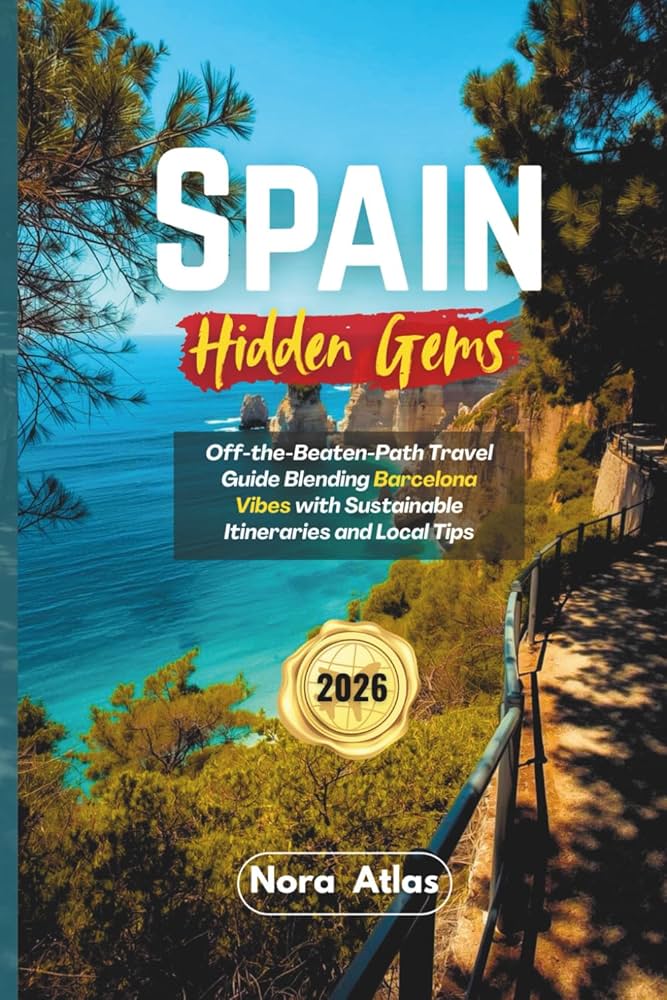
The latest Rick Steves’ Spain Guidebook reflects this change, dedicating more coverage to regions like Galicia and Asturias than previous editions. This guidebook trend signals where demand is heading. While Spain remains a popular destination, the experience of visiting is evolving.
Beyond the Classics: Rising Regional Destinations
Spain’s tourism boom is happening outside the well-trodden paths. Several regions are experiencing a surge in interest, offering unique draws that cater to a more discerning traveler. Here are a few standouts.
Galicia, in the northwest, is quickly becoming a foodie paradise. While it's always been known for its seafood, the region has invested heavily in promoting its denominacións de orixe (wine regions), like Rías Baixas. New hiking trails along the rugged coastline, like the Camiño dos Faros (Lighthouse Way), are attracting outdoor enthusiasts. The increased accessibility of Santiago de Compostela airport has also made it easier to reach.
Asturias, bordering Galicia, offers a different but equally compelling experience. This mountainous region is renowned for its cider culture – sidrerías are everywhere – and its stunning Picos de Europa National Park. Recent improvements to public transportation within the park have opened up more remote areas for exploration. You’ll find more small, family-run hotels now, a direct response to increasing demand.
Extremadura, in western Spain, is a hidden gem for history buffs and nature lovers. This region boasts well-preserved Roman ruins, medieval towns like Cáceres (a UNESCO World Heritage site), and vast, unspoiled landscapes. The Monfragüe National Park is a haven for birdwatchers. Extremadura is still relatively undiscovered, which means it offers a more authentic and affordable experience. Investment in eco-tourism projects is slowly but steadily increasing.
Finally, the Canary Islands continue to be a draw, but even here, the focus is shifting. While Tenerife and Gran Canaria remain popular, islands like La Palma and El Hierro are gaining traction for their volcanic landscapes, sustainable tourism initiatives, and commitment to preserving their natural beauty. La Palma, in particular, has seen a boost in astro-tourism due to its dark skies.
Madrid & Barcelona: Adapting to Change
Madrid and Barcelona are adapting to the pressures of overtourism. Both cities are implementing strategies to manage crowds and promote a more balanced distribution of visitors.
Barcelona is experimenting with limiting cruise ship arrivals and increasing taxes on tourist accommodations. The city is also actively promoting lesser-known neighborhoods like Gràcia and Sants-Montjuïc, encouraging visitors to explore beyond the Gothic Quarter and Park Güell. New walking tours focus on local life and hidden architectural gems.
Madrid is taking a similar approach, investing in public spaces and cultural events in traditionally overlooked areas. The renovation of the Matadero Madrid, a former slaughterhouse turned cultural center, is an example. The city is also actively encouraging off-season travel through targeted marketing campaigns. The goal is to make tourism more sustainable and inclusive.
- Barcelona is limiting cruise ship arrivals.
- Madrid is investing in cultural spaces.
- Both cities are promoting off-season travel.
Madrid & Barcelona: New Finds
- Mercado de Motores – This repurposed railway engine repair facility hosts monthly markets showcasing vintage finds, artisan crafts, and local food vendors, offering a unique shopping experience.
- Espacio Fundación Telefónica – Beyond its exhibitions on technology and society, this cultural center in Madrid frequently hosts immersive digital art installations and workshops.
- El Jardí de l'Àpat – Hidden atop a Barcelona apartment building, this secret rooftop garden offers a tranquil escape with panoramic city views and hosts occasional cultural events.
- Casa Vicens – Antoni Gaudí's first important work, recently opened to the public with restored interiors, provides insight into the architect’s early style and influences.
- Atelier de Cerámica de Gracia – This Barcelona ceramic workshop offers hands-on classes where visitors can learn traditional pottery techniques from local artisans.
- Sala Equis – A hidden speakeasy-style cocktail bar in Madrid, Sala Equis is known for its expertly crafted drinks and intimate, vintage atmosphere.
- Bunkers del Carmel (Barcelona) – While increasingly popular, these former anti-aircraft bunkers offer stunning 360-degree views of Barcelona and a glimpse into the city’s history.
Gastronomy's New Wave: Regional Cuisine Takes Center Stage
Spain’s culinary scene extends beyond paella and tapas. While those classics are still enjoyable, regions are showcasing their unique gastronomic traditions. Galicia, for example, is celebrated for its pulpo a la gallega (octopus with paprika) and fresh seafood. Albariño wine pairings are essential.
In Asturias, fabada asturiana (a hearty bean stew) is a must-try, accompanied by local cider poured in a distinctive arc. Extremadura offers jamón ibérico (Iberian ham) of exceptional quality, alongside dishes featuring pimentón de la Vera (smoked paprika). The Canary Islands have papas arrugadas (wrinkled potatoes) with mojo sauce – a simple but flavorful dish.
The rise in regional cuisine is driving a new wave of culinary tourism. Food tours focusing on local markets and family-run restaurants are becoming popular. Cooking classes offer hands-on experiences, teaching visitors how to prepare traditional dishes. Michelin-starred chefs are also turning their attention to regional ingredients and techniques.
Sustainable Spain: Eco-Tourism & Responsible Travel
Sustainable tourism is gaining momentum in Spain, driven by government initiatives and growing traveler awareness. Many regions are investing in eco-friendly accommodations, promoting responsible tour operators, and implementing measures to protect the environment.
The Canary Islands are committed to becoming a leader in sustainable tourism, with initiatives focused on renewable energy and waste management. Several hotels have achieved eco-labels, demonstrating their commitment to environmental responsibility. In Galicia, a growing number of rural tourism options support local communities and preserve traditional ways of life.
Travelers can contribute to sustainable tourism by choosing eco-friendly accommodations, supporting local businesses, minimizing waste, and respecting local culture. Opting for public transportation or cycling instead of renting a car can also make a difference. Travel with intention and leave a positive impact.
- Choose eco-friendly accommodations.
- Support local businesses.
- Minimize waste.
- Respect local culture.
Visa Updates & Entry Requirements (2026)
For travelers from India and Australia planning a trip to Spain, understanding visa requirements is essential. Indian citizens generally require a Schengen visa to enter Spain for tourism purposes. The process involves submitting an application, providing supporting documents, and attending an interview at a Spanish consulate or visa application center. Apply well in advance, as processing times can vary.
Australian citizens typically do not require a visa for stays of up to 90 days within the Schengen Area, which includes Spain. They must have a valid passport and may be asked to provide proof of sufficient funds and onward travel arrangements. Check the latest requirements on the official travel advisory website before traveling.
Spain is part of the Schengen Area, meaning that a single visa allows travel to multiple European countries. Keep in mind the 90-day limit within any 180-day period when traveling within the Schengen Area. Always verify the most up-to-date information from official sources before your trip.
Packing Essentials & Travel Gear
Packing for Spain in 2026 should prioritize comfort and practicality. Comfortable walking shoes are a must, as you’ll likely be doing a lot of exploring on foot. A reusable water bottle is essential for staying hydrated, especially during the warmer months. A universal adapter is necessary for charging your electronic devices, and a portable charger can be a lifesaver when you’re on the go.
For those seeking higher-end gear, a lightweight travel backpack with anti-theft features can provide added security. Noise-canceling headphones can make long flights or train journeys more enjoyable. A high-quality camera is ideal for capturing the stunning scenery and vibrant culture. Don’t forget sunscreen, a hat, and sunglasses, especially if you’re traveling during the summer.
Essential Gear for Your 2026 Spanish Adventure

Hands-free slip-in design for easy on and off · Go Walk Flex sole for enhanced comfort and flexibility · Breathable mesh upper for ventilation
Ensure effortless comfort and style while navigating bustling Spanish streets and exploring new destinations.

10,000mAh capacity for multiple device charges · PowerIQ technology for optimized charging speed · Compact and travel-ready design
Keep your essential devices powered up on the go, ensuring you never miss capturing a moment or navigating with your phone.

Essential Spanish phrases for travelers · Comprehensive dictionary for quick lookups · Pocket-sized for easy portability
Communicate with locals and enhance your cultural immersion with this indispensable language guide.

Dedicated laptop sleeve for secure storage · Multiple pockets, including water bottle holders, for organization · Lightweight and comfortable for everyday use
Organize your daily essentials and tech gear comfortably as you venture out to discover Spain's vibrant offerings.

Broad-spectrum SPF 50 protection · Moisturizing formula with Vitamin E · Made without Octinoxate & Oxybenzone, Hawaii 104 Act compliant
Protect your skin from the strong Spanish sun with this reef-friendly and moisturizing sunscreen.
As an Amazon Associate I earn from qualifying purchases. Prices may vary.
Spain in 2026: A Traveler's Outlook
Spain in 2026 presents a compelling travel experience, marked by a shift towards regional destinations and a growing emphasis on sustainable tourism. The country’s rich history, diverse culture, and delicious cuisine continue to attract visitors from around the world. However, the key to a truly rewarding trip lies in embracing the evolving nature of Spanish tourism and venturing beyond the well-trodden paths.
By exploring lesser-known regions, supporting local businesses, and traveling responsibly, you can contribute to a more sustainable and authentic travel experience. Spain remains a welcoming and captivating destination, offering something for every type of traveler – but the most memorable adventures await those willing to stray from the crowds.



No comments yet. Be the first to share your thoughts!