
Mexico’s Tourist Future: Beyond the Beaches
Mexico has consistently been a top travel destination, attracting millions each year with its beautiful beaches, ancient ruins, and vibrant culture. In 2024, the country saw a significant influx of visitors, and that momentum is expected to continue. Travelandtourworld.com reported 8.84 million visitors in 2026, breaking previous records and demonstrating Mexico’s enduring appeal.
However, the future of Mexico travel isn't just about more of the same. We’re seeing a shift, an exciting evolution driven by technology and a desire for more authentic experiences. For 2026, I anticipate a surge in smart tourism initiatives and a growing interest in exploring destinations beyond the well-trodden path. Travelers are increasingly seeking unique cultural immersions and off-the-beaten-path adventures.
This isn’t to say the popular spots will disappear, but they’ll be complemented by a wider range of options. The US State Department’s travel advisory for Mexico (travel.state.gov) is something to be aware of, of course, and staying informed about regional safety conditions is always wise. But I believe the vast majority of Mexico remains welcoming and safe for exploration, and the growing investment in tourist infrastructure will further enhance the experience. I want to focus on the possibilities, the undiscovered corners, and the ways technology is making travel easier and more enriching.

AI is Changing How We Travel Mexico
Artificial intelligence is rapidly transforming the tourism industry globally, and Mexico is no exception. We’re already seeing the integration of AI in various aspects of travel planning and execution. For example, AI-powered chatbots are becoming increasingly common on hotel websites and tourism boards, providing instant answers to frequently asked questions and assisting with bookings. Some platforms are even offering personalized itinerary suggestions based on individual traveler preferences.
Beyond chatbots, AI is being used to analyze vast amounts of data to predict tourist flows, optimize transportation routes, and improve resource allocation. This can lead to less crowded attractions, more efficient public transport, and a better overall experience for visitors. Imagine an app that alerts you to the best time to visit a popular cenote to avoid peak crowds, or a system that dynamically adjusts bus schedules based on real-time demand.
Accessibility for tourists with disabilities is another area where AI can make a significant impact. AI-powered translation tools can break down language barriers, while image recognition technology can provide audio descriptions of landmarks and attractions. I’m also hopeful that AI will play a role in enhancing safety, perhaps through predictive policing or real-time monitoring of tourist areas. While the implementation is still evolving, the potential benefits are considerable.
- Personalized Recommendations: AI algorithms suggest destinations, activities, and accommodations based on your past travel history and preferences.
- AI-Powered Chatbots: Instant support and information available 24/7.
- Smart Transportation: Optimized routes and real-time updates for public transport.
- Enhanced Accessibility: Translation tools and image recognition for travelers with disabilities.
AI Travel Tools in Mexico
- Wanderlog - This popular travel planning app allows users to collaborate on itineraries, map out destinations, and now incorporates AI to suggest optimized routes and nearby attractions based on user preferences. It's increasingly used in Mexico for complex multi-city trips.
- Google Travel - Google continues to expand AI features within its Travel platform. In Mexico, this includes AI-powered flight and hotel price tracking, personalized recommendations for points of interest, and improved translation services for navigating local menus and signage.
- Tripadvisor - Tripadvisor is integrating AI to enhance its user experience, including more accurate hotel and restaurant recommendations, and AI-generated summaries of reviews. This is becoming increasingly relevant for travelers in Mexico seeking curated experiences.
- Hola Mundo (Beta) - A developing Mexican startup, Hola Mundo utilizes AI chatbots to provide 24/7 travel assistance in Spanish and English, specifically focused on answering questions about destinations within Mexico, local customs, and transportation options. It is currently in beta testing in major tourist areas.
- LocalU AI Concierge (Pilot Program) - Several hotels and tourism boards in Mexico are piloting LocalU, an AI-powered concierge service accessible via messaging apps. It provides personalized recommendations for restaurants, activities, and hidden gems based on real-time data and user preferences.
- Waymo (Potential Expansion) - While not currently operating in Mexico, Waymo's autonomous vehicle technology could potentially be deployed in select tourist areas by 2026, offering a new and efficient mode of transportation, particularly in cities with well-defined routes.
- Duolingo - While primarily a language learning app, Duolingo's AI-powered lessons are increasingly used by tourists to learn basic Spanish phrases before and during their trip to Mexico, enhancing their interactions with locals and overall travel experience.
20 Hidden Gems: Instagram Gold Outside Cancun
Cancun is fantastic, but Mexico has so much more to offer. For those seeking unique Instagrammable locations and a more authentic experience, here are 20 hidden gems beyond the usual tourist hotspots. These aren’t necessarily secret – some are gaining popularity – but they’re far enough off the beaten path to provide a sense of discovery.
1. Bacalar, Quintana Roo: Often called the “Lagoon of Seven Colors,” Bacalar boasts stunning turquoise waters and a laid-back atmosphere. Capture the magic with photos of the stromatolites, ancient rock formations in the lagoon. Expect vibrant blues and greens, perfect for a dreamy aesthetic.
2. Izamal, Yucatán: Known as the “Yellow City”, Izamal is a colonial town painted entirely in shades of yellow. Wander the streets and photograph the imposing Convent of San Antonio de Padua. It’s a photographer’s dream with its saturated colors and charming architecture.
3. Holbox Island, Quintana Roo: A car-free island paradise with pristine beaches and bioluminescence. Capture the glowing shores at night or the colorful murals that adorn the town. It’s a relaxed vibe with incredible photo opportunities.
4. Real de Catorce, San Luis Potosí: A ghost town nestled in the mountains, accessible only by a long tunnel. The rugged landscape and historical buildings create a surreal and captivating atmosphere. Think dramatic landscapes and a sense of adventure.
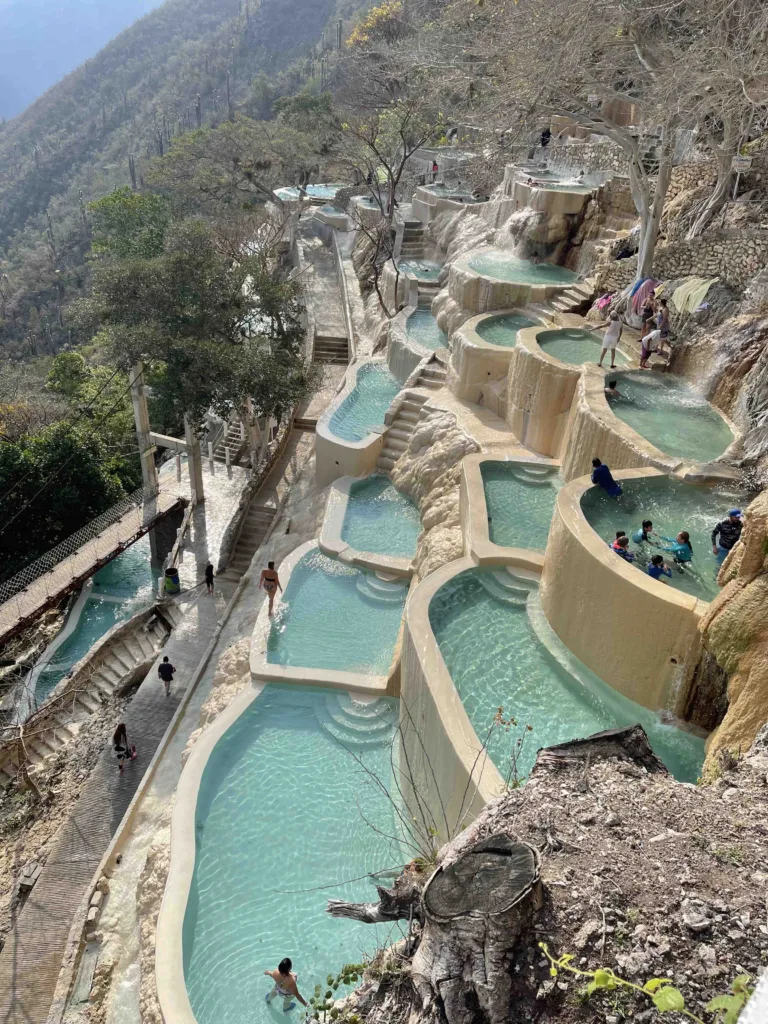
5. Grutas de Tolantongo, Hidalgo: A series of hot springs and caves with cascading waterfalls. Capture the unique scenery and enjoy a relaxing soak. It’s a truly unique and otherworldly experience.
6. Sayulita, Nayarit: A charming surf town with colorful streets and a bohemian vibe. Photograph the vibrant murals and the lively beach scene. Expect a fun, energetic atmosphere.
7. Tulum’s Gran Cenote: While Tulum is popular, the Gran Cenote offers a stunning underwater experience. Capture the crystal-clear waters and the dramatic cave formations. It’s a popular spot for snorkeling and diving.
8. Xilitla, San Luis Potosí: Home to Edward James’ surrealist sculpture garden, Las Pozas. Photograph the bizarre and beautiful structures nestled in the jungle. It’s a truly unique and unforgettable experience.
9. Puerto Escondido, Oaxaca: A surfer’s paradise with world-class waves and a laid-back atmosphere. Capture the action on the beach or the stunning sunsets. It’s a great spot for action shots and vibrant coastal scenes.
10. San Cristóbal de las Casas, Chiapas: A colonial city with a rich indigenous culture. Photograph the colorful markets and the beautiful architecture. It’s a great place to experience the authentic side of Mexico.
11. Hierve el Agua, Oaxaca: Petrified waterfalls that offer stunning views of the surrounding landscape. Capture the unique rock formations and the dramatic scenery. It's a bit of a hike but worth the view.
12. Valladolid, Yucatán: A charming colonial town with well-preserved architecture and a laid-back atmosphere. Explore the Calzada de los Frailes and the Cenote Zaci. Expect colorful buildings and a slower pace of life.
13. Zipolite, Oaxaca: A clothing-optional beach known for its bohemian vibe and stunning sunsets. It’s a popular spot for those seeking a relaxed and alternative atmosphere.
14. Lake Chapala, Jalisco: Mexico's largest lake, surrounded by charming towns and stunning scenery. Explore the town of Ajijic and enjoy the lakeside views.
15. Mazatlán, Sinaloa: A historic port city with a beautiful boardwalk and a vibrant cultural scene. Explore the Old Town and enjoy the fresh seafood.
16. Guanajuato, Guanajuato: A UNESCO World Heritage city with colorful colonial architecture and a rich history. Explore the narrow streets and the underground tunnels.
17. Taxco, Guerrero: A silver mining town with stunning colonial architecture and a vibrant artisan scene. Shop for silver jewelry and explore the historic center.
18. Pátzcuaro, Michoacán: A charming town on the shores of Lake Pátzcuaro, known for its Day of the Dead celebrations. Explore the island of Janitzio and experience the local culture.
19. Campeche, Campeche: A beautifully preserved colonial city with colorful buildings and a rich history. Walk along the city walls and explore the historic center.
20. Todos Santos, Baja California Sur: A charming surf town with art galleries, boutiques, and a relaxed atmosphere. Explore the Hotel California and enjoy the beach.
Essential Gear for Your Mexico Adventure 2026

10,000mAh capacity for multiple charges · PowerIQ for high-speed charging · Compact and travel-ready design
Keep your devices powered up for capturing every moment and accessing AI-driven travel information on the go.

IPX8 waterproof rating for full submersion · Universal fit for most smartphones up to 7 inches · Touchscreen compatibility for easy use
Protect your phone from water and sand while exploring cenotes or coastal areas, ensuring your connection to AI travel guides remains uninterrupted.

Worldwide compatibility with 4 USB-A and 1 USB-C port · Compact and lightweight design · Not a voltage converter, suitable for dual-voltage electronics
Ensure all your essential electronics, from cameras to smart devices, can be charged anywhere in Mexico, facilitating seamless use of AI-powered travel tools.

Quick-drying and super absorbent microfiber material · Ultra-compact and lightweight for easy packing · Versatile for beach, gym, camping, and travel
A versatile and quick-drying towel is essential for spontaneous dips in hidden lagoons or refreshing after a day of exploring, without adding bulk to your pack.

Dedicated laptop sleeve for protection · Multiple pockets for organized storage · Comfortable and lightweight for daily use
This backpack offers smart organization and comfort for carrying your tech and essentials as you navigate bustling markets or trek to off-the-beaten-path destinations guided by AI.
As an Amazon Associate I earn from qualifying purchases. Prices may vary.
Yucatán’s Cenotes: A Subterranean Wonderland
Cenotes are sinkholes filled with groundwater, formed when limestone bedrock collapses, revealing underground cave systems. They were sacred to the ancient Maya, who believed they were gateways to the underworld. Today, they’re incredibly popular for swimming, snorkeling, and diving, and they’re undeniably photogenic.
Here are a few standouts: Ik Kil Cenote (entry fee around $10 USD) is famous for its hanging vines and dramatic lighting. Dos Ojos Cenote ($15 USD) is a favorite among divers due to its clear waters and extensive cave system. Gran Cenote (mentioned earlier, around $15 USD) is great for snorkeling. Suytun Cenote ($10 USD) is known for the beam of sunlight that illuminates the cenote, creating a stunning effect. Cenote Calavera ($10 USD) is smaller and more intimate, with a rope swing for adventurous visitors.
When visiting cenotes, remember to be a responsible tourist. Use biodegradable sunscreen, avoid touching the rock formations, and follow the guidelines provided by the local operators. These fragile ecosystems are vulnerable to pollution and damage, so it’s important to minimize your impact and help preserve them for future generations.
Oaxaca’s Culinary Scene: More Than Mole
Oaxaca is widely regarded as the culinary heart of Mexico, and for good reason. While mole – a complex sauce made with chilies, chocolate, and spices – is undoubtedly iconic, Oaxacan cuisine is far more diverse and nuanced. Don't miss tlayudas, large crispy tortillas topped with beans, cheese, meat, and salsa.
Be adventurous and try chapulines (grasshoppers), a traditional snack that's surprisingly delicious. Explore the local markets, like Mercado Benito Juárez and Mercado 20 de Noviembre, where you can sample a wide variety of Oaxacan delicacies. And, of course, don't forget to indulge in mezcal, Oaxaca's signature spirit, and sample the incredible local chocolate.
For a truly immersive experience, consider taking a cooking class. Several schools in Oaxaca City offer hands-on lessons where you can learn to prepare traditional Oaxacan dishes. Restaurants like Los Danzantes and Origen are highly regarded for their innovative take on Oaxacan cuisine. Food in Oaxaca isn’t just nourishment; it’s a cultural experience.
Smart City Initiatives: Puerto Vallarta Leads the Way
Puerto Vallarta is emerging as a leader in smart tourism in Mexico, implementing several initiatives to enhance the visitor experience and promote sustainability. These include expanding free Wi-Fi hotspots throughout the city, installing smart parking systems to ease congestion, and implementing digital signage to provide tourists with real-time information.
The city is also investing in integrated public transportation systems, making it easier for tourists to get around without relying on taxis or rental cars. These initiatives are designed to address overcrowding in popular areas and improve the flow of tourists throughout the city. They’re also focused on reducing the environmental impact of tourism.
I’ve read that the city is exploring the use of data analytics to better understand tourist behavior and optimize resource allocation. This could lead to more personalized recommendations, improved safety measures, and a more efficient tourism industry overall. Puerto Vallarta’s commitment to smart tourism is a positive sign for the future of travel in Mexico.
Smart Tourism Initiatives in Select Mexican Cities (2024-2026 Outlook)
| City | Technology Adoption | Sustainability Focus | Accessibility Initiatives | Overall Maturity |
|---|---|---|---|---|
| Puerto Vallarta | Growing implementation of digital signage providing real-time information to tourists. Increased use of social media monitoring for sentiment analysis to improve visitor experience. | Emphasis on eco-tourism and preserving the natural environment. Initiatives include responsible whale watching tours and beach clean-up programs. | Improvements to infrastructure for visitors with disabilities, particularly in the Malecon area. Digital platforms are beginning to offer accessibility information. | Moderate - Demonstrates commitment but is still developing a fully integrated smart tourism ecosystem. |
| Mexico City | Extensive use of mobile apps for transportation (Metrobus, Ecobici) and cultural site information. Pilot programs exploring AI-powered chatbots for tourist assistance. | Focus on reducing congestion and promoting sustainable transportation options. Efforts to manage waste and conserve water resources are ongoing. | Expanding accessible transportation options and improving accessibility at major museums and historical sites. Digital resources are available in multiple languages. | High - Leading in technology integration, particularly in transportation and information access. |
| Cancun | Heavy reliance on digital marketing and online booking platforms. Some hotels are experimenting with personalized guest experiences using data analytics. | Growing awareness of the need for sustainable tourism practices due to environmental concerns related to coral reefs and sargassum. Efforts to promote responsible tourism are increasing. | Accessibility is improving in larger resorts, but significant gaps remain in public spaces and smaller establishments. Information accessibility is variable. | Moderate - Strong in marketing and hospitality tech, but lagging in broader sustainability and accessibility efforts. |
| Guadalajara | Development of a city-wide tourism platform integrating information on attractions, events, and transportation. Exploration of using data analytics to optimize tourism flows. | Focus on promoting cultural tourism and preserving the city’s historical heritage. Initiatives to support local artisans and businesses. | Improvements to pedestrian infrastructure and public transportation. Efforts to make cultural attractions more inclusive. | Developing - Showing promising growth in integrating technology and promoting cultural tourism, but requires further investment. |
| Merida | Increasing use of QR codes at historical sites providing audio guides and information in multiple languages. Some initiatives to collect visitor data for improved service delivery. | Strong emphasis on preserving colonial architecture and promoting eco-tourism in nearby cenotes and natural reserves. | Focus on making the historic center pedestrian-friendly and accessible. Efforts to provide accessible tours and information. | Moderate - A growing focus on sustainable and accessible tourism, leveraging technology to enhance the visitor experience. |
Illustrative comparison based on the article research brief. Verify current pricing, limits, and product details in the official docs before relying on it.
Staying Safe & Connected in Mexico (2026)
As mentioned previously, it’s essential to stay informed about the latest travel advisories from the US State Department (travel.state.gov). While many areas of Mexico are safe for tourists, certain regions do experience higher levels of crime. It’s always a good idea to exercise caution and be aware of your surroundings.
When using taxis, opt for official, licensed taxis or ride-sharing services. Avoid walking alone at night in unfamiliar areas. Be mindful of your belongings and avoid displaying expensive jewelry or electronics. When it comes to accommodation, choose reputable hotels or rentals with good security measures. It’s also a good idea to share your itinerary with a friend or family member back home.
Staying connected is relatively easy in Mexico. Mobile data is widely available, and you can purchase a local SIM card or eSIM for affordable data plans. Many hotels and restaurants offer free Wi-Fi, but the quality can vary. Telcel and AT&T are two of the major mobile carriers in Mexico. A little preparation can go a long way towards ensuring a safe and enjoyable trip.

No comments yet. Be the first to share your thoughts!