
Spain's Reimagined Tourism Landscape
Spain is fully back on the map for travelers, and it’s not just a return to form – it’s a reimagining. After the disruption of the pandemic, the country is experiencing a powerful recovery, fueled by a desire for authentic experiences and a growing interest in sustainable travel. We’re seeing a shift away from purely mass tourism towards a more considered approach, with visitors seeking out lesser-known regions and engaging with local culture.
Tourism is a massive part of the Spanish economy, contributing around 12% to the country’s GDP pre-pandemic. Projections for 2026 are optimistic, with forecasts suggesting visitor numbers will exceed 2019 levels. This isn’t just about quantity; the focus is on attracting a higher-spending tourist who will contribute more to local communities. The Spanish government is actively promoting this shift through initiatives supporting rural tourism and eco-friendly businesses.
While the height of pandemic-related restrictions are over, some health and safety measures may still be in place depending on the region and any global health situations. Generally, Spain maintains high hygiene standards and prioritizes visitor wellbeing. It’s always wise to check the latest travel advisories from your home country before you go. I’ve found that the overall feeling is one of confidence and a genuine welcome for returning visitors.
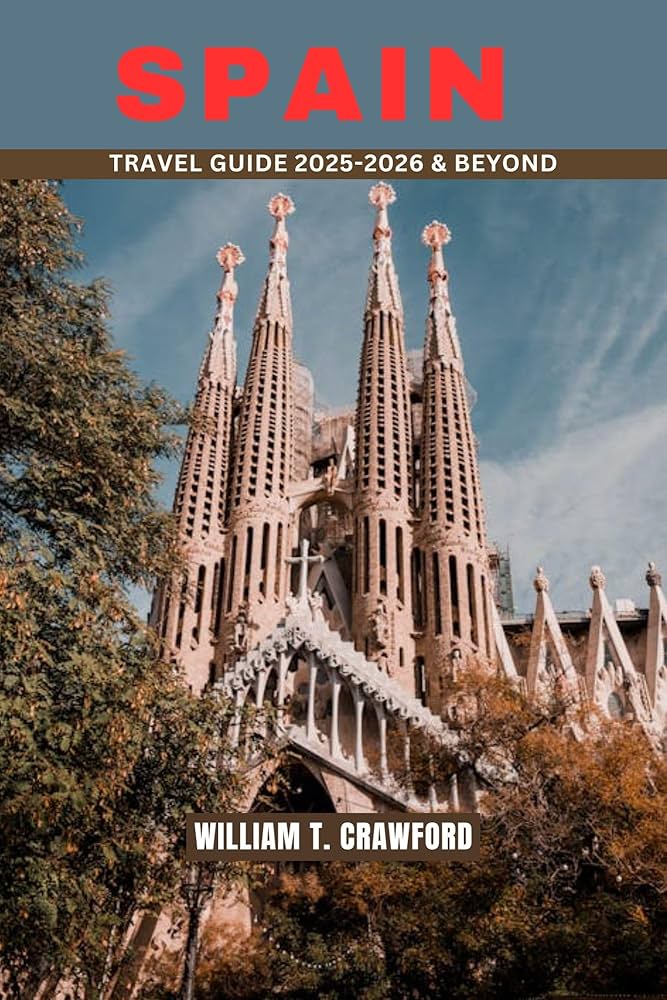
New UNESCO World Heritage Sites
Spain consistently demonstrates its commitment to preserving its cultural and natural heritage, and this is reflected in its impressive number of UNESCO World Heritage sites. Since 2023, several new locations have earned this prestigious recognition. The Sistema Hypogea Monumental de Puigcerdà in Catalonia, added in 2024, is a particularly fascinating example – a network of underground spaces dating back to the medieval period, offering a unique glimpse into the region's history.
Also recognized in 2025 was the Archaeological Site of Tiermes in Soria. This site showcases the remnants of a Roman city and a Visigothic settlement, providing insight into the complex history of the Iberian Peninsula. Access to Tiermes requires a bit of planning, as it's located in a rural area, but guided tours are available from Soria city and are highly recommended.
In late 2025, the Dehesa of Sierra Morena was added to the list. This expansive landscape in Andalusia and Extremadura is a unique ecosystem vital for the Iberian Lynx and other endangered species. It’s a testament to Spain’s biodiversity and the importance of sustainable land management. Visitors can explore the Dehesa through organized ecotourism activities, emphasizing responsible travel.
UNESCO recognition doesn’t just mean prestige; it brings increased funding for conservation efforts and helps promote these sites to a wider audience. Entry fees vary, but generally fall between 5-15 euros. It's always best to book tickets online in advance, especially during peak season, to avoid disappointment. It’s clear that Spain continues to value its heritage and is actively working to protect it for future generations.
Cultural Treasures Reborn
The pandemic forced many of Spain’s cultural institutions to close their doors, but these closures provided an opportunity for much-needed renovations and upgrades. By 2026, many of these treasures have been reborn, offering visitors an even richer experience. The Prado Museum in Madrid, for example, completed a significant refurbishment of its 19th-century Spanish painting galleries, enhancing the presentation and accessibility of its masterpieces.
The Royal Theatre in Madrid also underwent extensive renovations, focusing on improving acoustics and restoring historical features. A new program of performances, including opera, ballet, and orchestral concerts, is planned for the 2026 season. The Teatro Real is now offering guided tours in multiple languages, providing a behind-the-scenes look at this iconic venue.
In Barcelona, the Palau de la Música Catalana, a stunning example of Catalan Modernism, reopened with a new interactive exhibition detailing its history and architectural significance. The exhibition utilizes cutting-edge technology to bring the building's stories to life. The reopening of these cultural landmarks is a significant boost to Spain’s cultural scene, demonstrating its resilience and commitment to the arts. I find that these spaces really embody the spirit of Spain.
Beyond these iconic institutions, countless smaller museums and galleries across the country have also benefited from revitalization efforts. This renewed focus on culture is a key component of Spain’s tourism recovery, attracting visitors who are seeking authentic and enriching experiences.
Beyond Barcelona & Madrid: Emerging Destinations
While Barcelona and Madrid rightly hold their place as major tourist hubs, Spain’s true charm lies in its diversity. Increasingly, travelers are venturing beyond the well-trodden paths to discover lesser-known gems. Galicia, in the northwest, is gaining popularity for its dramatic coastline, delicious seafood, and Celtic heritage. The Camino de Santiago pilgrimage route continues to draw visitors, but the region offers much more than just religious tourism.
Asturias, bordering Galicia, is another region with stunning natural beauty. The Picos de Europa National Park is a hiker's paradise, with challenging trails and breathtaking views. The coastal towns of Asturias offer a more laid-back atmosphere, with fresh seafood and traditional cider houses. Extremadura, in western Spain, is a region of vast plains and historic cities like Cáceres, a UNESCO World Heritage site.
San Sebastián, in the Basque Country, is a foodie haven, renowned for its pintxos (Basque tapas) and Michelin-starred restaurants. Valencia, on the Mediterranean coast, is a vibrant city with a beautiful beach, a futuristic City of Arts and Sciences, and a rich cultural heritage. Seville, in Andalusia, is a city of passion and tradition, famous for its flamenco, architecture, and orange groves.
These emerging destinations offer a more sustainable and authentic travel experience, allowing visitors to connect with local communities and support regional economies. Many of these areas are actively promoting eco-tourism initiatives, such as hiking trails, cycling routes, and farm-to-table dining experiences.
- Galicia: Dramatic coastline, seafood, Celtic heritage
- Asturias: Picos de Europa National Park, cider houses
- Extremadura: Historic cities, vast plains
- San Sebastián: Pintxos, Michelin-starred restaurants
- Valencia: Beaches, City of Arts and Sciences
- Seville: Flamenco, orange groves
Spanish Hidden Gems
- Ronda, Andalusia - Perched dramatically atop El Tajo gorge, Ronda offers breathtaking views and a rich history. Famous for its Puente Nuevo bridge and as the birthplace of modern bullfighting, it’s a captivating blend of Moorish and Christian influences.
- Albarracín, Aragon - This medieval town, often cited as one of Spain’s most beautiful villages, is a maze of narrow, winding streets and rose-colored buildings. Its well-preserved architecture and stunning natural surroundings make it a unique destination.
- Besalú, Catalonia - A beautifully preserved medieval town with a remarkable Romanesque bridge, Besalú transports visitors back in time. Its Jewish quarter, Miqvé, is a particularly noteworthy historical site.
- Cuenca, Castilla-La Mancha - Known for its 'hanging houses' (Casas Colgadas) built into the cliffs, Cuenca is a UNESCO World Heritage site. Explore its historic center and enjoy panoramic views of the Huécar River gorge.
- Frigiliana, Andalusia - This picturesque white village (pueblo blanco) on the Costa del Sol boasts narrow, cobbled streets adorned with flowerpots. It offers stunning views of the Mediterranean Sea and surrounding mountains.
- Haro, La Rioja - The capital of Spain’s Rioja wine region, Haro is a must-visit for wine lovers. Explore its historic bodegas (wine cellars) and participate in wine tastings.
- Setenil de las Bodegas, Andalusia - Uniquely built into the cliffs, Setenil de las Bodegas is famous for its houses constructed under overhanging rock formations. It’s a visually striking and unforgettable destination.
Gastronomic Delights: A Modern Revival
Spanish cuisine is undergoing a modern revival, building on centuries of tradition while embracing innovation. The pandemic forced restaurants to adapt, leading to a surge in creativity and a renewed focus on local ingredients. While paella and tapas remain popular, chefs are now experimenting with new techniques and flavors, pushing the boundaries of Spanish gastronomy.
Plant-based dining is becoming increasingly prevalent, with many restaurants offering creative vegetarian and vegan options. Farm-to-table concepts are also gaining traction, with chefs sourcing ingredients directly from local producers. The emphasis is on seasonality and sustainability, showcasing the best of Spain’s agricultural bounty.
Notable restaurants like DiverXO in Madrid (three Michelin stars) continue to lead the way in avant-garde cuisine, while smaller, family-run establishments are preserving traditional recipes. Food festivals and events, like the San Sebastián Gastronomika, are attracting food lovers from around the world. I always make a point of seeking out local markets when I travel to Spain – they’re a fantastic way to experience the local culture and sample regional specialties.
Don’t limit yourself to the well-known dishes. Explore regional specialties like fabada asturiana (a hearty bean stew from Asturias), pulpo a la gallega (Galician-style octopus), and salmorejo (a cold tomato soup from Andalusia). Spanish cuisine is far more diverse and complex than many people realize.
Planning Your Trip: Visas & Logistics
Planning a trip to Spain requires some logistical considerations. For travelers from the USA, Spain is part of the Schengen Area, allowing stays of up to 90 days within a 180-day period without a visa. However, for stays exceeding 90 days, or for those intending to work or study in Spain, a visa is required. Indians travelling to Spain for tourism will need to apply for a Schengen Visa. The application process can be initiated through the Spanish embassy or consulate in India.
Australian citizens also enjoy visa-free travel to Spain for stays of up to 90 days within a 180-day period. Similar to US citizens, longer stays or purposes beyond tourism require a visa. Transportation within Spain is efficient and convenient. The high-speed AVE train network connects major cities, offering a comfortable and fast way to travel.
Buses are a more affordable option, but travel times are longer. Domestic flights are available, but can be more expensive than trains or buses. Accommodation options range from budget-friendly hostels to luxury hotels. Booking in advance is recommended, especially during peak season. The currency in Spain is the Euro (€). Credit cards are widely accepted, but it’s always a good idea to have some cash on hand for smaller purchases.
Local customs are generally relaxed, but it’s polite to greet people with a kiss on both cheeks (in informal settings) and to dress respectfully when visiting religious sites. Learning a few basic Spanish phrases can go a long way in enhancing your experience. For official visa information, consult the Spanish Ministry of Foreign Affairs website:
Essential Spain Travel Guides
A good travel guide can be invaluable when planning a trip to Spain. The Spain Travel Guide 2026 by Mathew Jackson (available on Amazon) is a recent edition offering up-to-date information on destinations, local secrets, and traditional cuisine. It's particularly strong on practical advice and detailed itineraries. Lonely Planet's Spain is a classic, known for its comprehensive coverage and reliable maps.
Rick Steves Spain focuses on a more immersive travel experience, with an emphasis on cultural insights and local encounters. It’s a good choice for travelers who want to go beyond the typical tourist trail. For digital resources, the Tourist Vine website () offers a wealth of information on hidden gems and emerging destinations.
The Rough Guide to Spain provides a good balance of practical information and cultural context. It’s a solid all-around choice for first-time visitors. Keep in mind that guidebooks can become outdated quickly, so it’s always a good idea to supplement them with online research and local recommendations. I often find that blogs and travel forums offer the most up-to-date information.
Ultimately, the best travel guide is the one that best suits your individual travel style and preferences. Consider what you want to get out of your trip and choose a guide that aligns with your interests.
- Spain Travel Guide 2026 by Mathew Jackson (Amazon)
- Lonely Planet Spain
- Rick Steves Spain
- Rough Guide to Spain
- Tourist Vine ()
Essential Reading for Your 2026 Spanish Adventure

Detailed itineraries for exploring Spain · Tips for traveling like a local · Covers major regions like Madrid, Barcelona, and Basque Country
This comprehensive guide offers up-to-date information on Spain's attractions, including new UNESCO sites and reopened cultural treasures, ensuring a well-planned and enriching post-pandemic travel experience.

Expert-led travel advice for Spain · Focus on cultural immersion · Practical tips for navigating Spain
This comprehensive guide offers up-to-date information on Spain's attractions, including new UNESCO sites and reopened cultural treasures, ensuring a well-planned and enriching post-pandemic travel experience.

Full-color essential guide to Spain · Covers key destinations and experiences · Provides insights for a memorable trip
This comprehensive guide offers up-to-date information on Spain's attractions, including new UNESCO sites and reopened cultural treasures, ensuring a well-planned and enriching post-pandemic travel experience.

Highlights must-see sights, culture, and history · Includes detailed maps and tours · Covers major cities like Barcelona, Madrid, and Seville
This comprehensive guide offers up-to-date information on Spain's attractions, including new UNESCO sites and reopened cultural treasures, ensuring a well-planned and enriching post-pandemic travel experience.
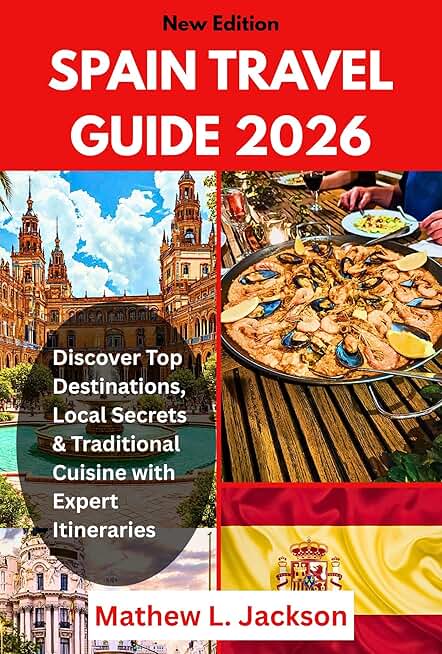
Discover top destinations and local secrets · Explore traditional Spanish cuisine · Features expert-crafted itineraries
This comprehensive guide offers up-to-date information on Spain's attractions, including new UNESCO sites and reopened cultural treasures, ensuring a well-planned and enriching post-pandemic travel experience.
As an Amazon Associate I earn from qualifying purchases. Prices may vary.


No comments yet. Be the first to share your thoughts!