
Spain in 2026: A Shift in Travel
Spain has always held a powerful allure for travelers, but the country is undergoing a subtle yet significant transformation. The familiar postcard images of crowded beaches and bustling city centers are now being complemented by a growing desire for authentic experiences, sustainable practices, and a slower pace of life. This isn’t to say the classic Spanish holiday is disappearing, rather it’s evolving alongside a new breed of traveler.
The rise of remote work is a major driver of this change. More and more people are able to work from anywhere, and Spain, with its appealing climate, affordable cost of living in many areas, and rich culture, is proving to be a particularly attractive destination for digital nomads. Simultaneously, there’s a growing awareness of the environmental impact of tourism, leading to increased demand for eco-friendly options and responsible travel practices.
It's worth acknowledging that travel advisories, like those issued by the U.S. State Department (travel.state.gov), should always be considered. As of today, those advisories suggest exercising normal precautions in most of Spain, with some areas having increased risks due to petty crime or terrorism. These are realities, but they shouldn’t necessarily deter travel; rather, they require a degree of awareness and preparation. Spain remains a safe and welcoming country for the vast majority of visitors, and the benefits of exploring its diverse landscapes and vibrant culture far outweigh the potential risks.
Digital Nomad Havens: Beyond Barcelona
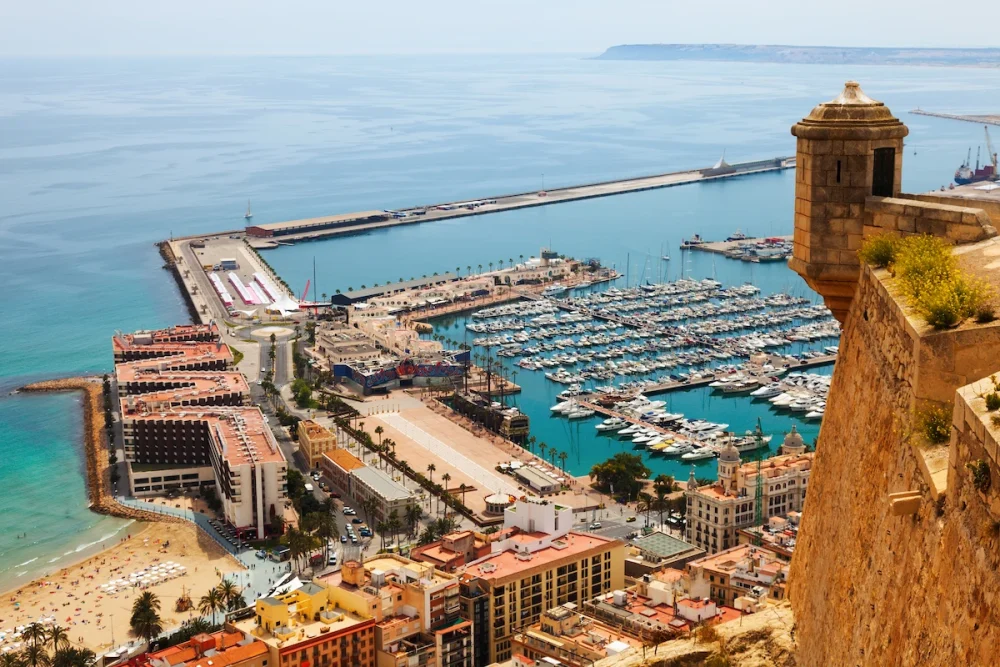
Barcelona and Madrid understandably dominate the conversation when it comes to digital nomad hotspots in Spain. They offer excellent infrastructure, a large international community, and a lively social scene. However, a closer look reveals a wealth of up-and-coming cities that provide a compelling alternative, often at a more affordable price point and with a more relaxed atmosphere.
Valencia is rapidly gaining popularity, boasting a modern infrastructure, beautiful beaches, and a thriving startup scene. It’s a city that feels both cosmopolitan and authentically Spanish. Seville, in Andalusia, offers a more traditional experience, with stunning architecture, delicious tapas, and a strong sense of local culture. The cost of living is notably lower than in Barcelona or Madrid.
Malaga, on the Costa del Sol, is another strong contender. It benefits from a fantastic climate, a growing tech sector, and easy access to both the beach and the mountains. For those seeking something a little different, smaller cities like Alicante and Las Palmas de Gran Canaria (in the Canary Islands) offer a unique blend of affordability, lifestyle, and community. Internet speeds are generally reliable in these cities, though specific performance can vary depending on the provider and location. Co-working spaces are becoming increasingly common, providing a dedicated workspace and opportunities for networking.
- Valencia: Modern, beaches, startup scene.
- Seville: Traditional, lower cost of living, rich culture.
- Malaga: Great climate, growing tech sector, beach and mountains.
- Alicante: Affordable, relaxed atmosphere.
- Las Palmas de Gran Canaria: Unique blend of affordability and lifestyle.
Spain: Digital Nomad & Sustainable Tourism City Comparison - 2026
| City | Cost of Living | Internet Reliability | Co-working Space Availability | English Spoken | Digital Nomad Community |
|---|---|---|---|---|---|
| Barcelona | High | Excellent | Extensive | High | Established |
| Valencia | Medium | Good | Moderate | Medium | Growing |
| Seville | Medium | Good | Moderate | Medium | Growing |
| Malaga | Medium | Good | Moderate | Medium | Growing |
| Las Palmas de Gran Canaria | Low | Good | Moderate | Medium | Small |
Illustrative comparison based on the article research brief. Verify current pricing, limits, and product details in the official docs before relying on it.
Sustainable Stays: Eco-Lodges and Rural Escapes
Spain is increasingly recognizing the importance of sustainable tourism, and this is reflected in the growing number of eco-friendly accommodations available. Beyond the standard hotel options, travelers can now find a range of eco-lodges, rural hotels, and agritourism experiences that prioritize environmental responsibility.
Regions like the Picos de Europa mountains in northern Spain, the rugged Galician coast, and the stunning Pyrenees offer particularly compelling opportunities for eco-tourism. These areas boast breathtaking natural beauty and a commitment to preserving their unique ecosystems. Many accommodations in these regions are actively working to minimize their environmental impact through the use of renewable energy, water conservation measures, and locally sourced food.
I’m not sure if there’s one universally recognized certification system for eco-lodges in Spain, but many establishments voluntarily adhere to sustainable practices and are transparent about their efforts. Look for accommodations that emphasize their commitment to reducing waste, supporting local communities, and protecting the surrounding environment. Agritourism experiences, where you stay on a working farm, are a fantastic way to connect with the land and learn about sustainable agriculture.
Island Life: The Canary and Balearic Islands
The Spanish islands offer a diverse range of experiences, with the Canary Islands and the Balearic Islands each possessing a distinct character. The Canary Islands – Tenerife, Gran Canaria, Lanzarote, Fuerteventura, and La Palma – are known for their volcanic landscapes, year-round sunshine, and unique biodiversity. The Balearic Islands – Mallorca, Ibiza, Menorca, and Formentera – are famed for their beautiful beaches, crystal-clear waters, and vibrant nightlife.
Both archipelagos are actively working to address the challenges of overtourism. Initiatives include promoting off-season travel, encouraging sustainable transportation options, and investing in infrastructure that can better handle the influx of visitors. The Canary Islands, for example, are focusing on diversifying their tourism offerings beyond sun-and-beach holidays, promoting hiking, cycling, and water sports.
Ibiza, often associated with its party scene, is also making strides towards sustainability. You'll find eco-friendly hotels, organic farms, and a growing awareness of the need to protect the island’s natural beauty. Menorca, on the other hand, has a more laid-back vibe and a strong commitment to preserving its natural environment. Each island offers a unique blend of attractions and opportunities for sustainable exploration.
- Canary Islands: Volcanic landscapes, year-round sunshine, hiking, cycling, water sports.
- Balearic Islands: Beautiful beaches, vibrant nightlife, eco-friendly hotels, organic farms.
Gastronomy & Responsible Consumption
Spanish cuisine is world-renowned, and enjoying it responsibly is a key element of sustainable travel. Beyond the well-known tapas bars and paella restaurants, Spain offers a wealth of opportunities to connect with local producers and experience authentic flavors.
Farm-to-table restaurants are becoming increasingly popular, showcasing seasonal ingredients sourced directly from local farms. Visiting local markets is a fantastic way to support local producers and discover regional specialties. Taking a traditional cooking class is another great way to immerse yourself in Spanish culture and learn about the art of Spanish cuisine.
Reducing food waste is also important. Order only what you can eat, and don’t be afraid to ask for a doggy bag. Supporting local businesses and choosing locally sourced products helps to strengthen the local economy and reduce the environmental impact of food transportation. The connection between food and culture in Spain is deeply ingrained, and embracing this connection is a rewarding part of the travel experience.
Off-Season Adventures: Avoiding the Crowds
Traveling to Spain during the shoulder seasons – spring (April-May) and fall (September-October) – or even winter (November-March) offers a number of advantages. The weather is generally pleasant, with milder temperatures and fewer crowds. Accommodation prices are often lower, and you’ll have a more authentic experience, interacting with locals rather than being surrounded by tourists.
Spring is a particularly beautiful time to visit, with wildflowers blooming and the countryside coming to life. Fall offers stunning foliage and the opportunity to participate in wine harvests. Winter can be a great time to explore cities like Seville and Malaga, which enjoy mild temperatures year-round. Specific activities that are best enjoyed during these times include hiking, wine tasting, cultural festivals, and exploring historical sites.
The summer months, while popular, can be extremely hot and crowded, especially in coastal areas. By traveling off-season, you’ll avoid the peak tourist season and experience a more relaxed and authentic side of Spain.
Visa Requirements for US & Australian Travelers
For travelers from the USA and Australia, Spain is part of the Schengen Area, which allows for visa-free travel for tourism or business purposes for up to 90 days within a 180-day period. As of late 2025, this remains the standard rule based on information from travel.state.gov. However, it’s essential to verify this information closer to your travel date, as regulations can change.
US citizens generally do not need a visa for stays of 90 days or less. Australians also enjoy visa-free access under the same conditions. You will need a valid passport with at least six months of validity remaining. It’s also advisable to have proof of sufficient funds to cover your expenses during your stay, as well as travel insurance.
In 2026, there may be changes to the European Travel Information and Authorisation System (ETIAS) which will require pre-travel authorization for visa-exempt travelers. Keep an eye on official announcements from the European Union and Spanish authorities for updates on this system. Always check the latest travel advisories and visa requirements before your trip to ensure a smooth and hassle-free experience.
Getting Around: Sustainable Transport Options
Spain boasts an excellent public transportation system, making it easy to travel around the country sustainably. The extensive high-speed rail network (AVE) is a particularly efficient and eco-friendly option, connecting major cities like Madrid, Barcelona, Seville, and Valencia. It’s significantly faster and more comfortable than driving, and it reduces your carbon footprint.
Bus travel is another affordable and convenient option, especially for reaching smaller towns and villages. Spain also has a growing network of cycling routes, providing a fantastic way to explore the countryside at your own pace. In urban areas, walking and cycling are often the best ways to get around.
Electric vehicle rentals are becoming increasingly available, but the infrastructure for charging electric vehicles is still developing, particularly in rural areas. While the availability is improving, it’s something to consider if you’re planning a road trip.




No comments yet. Be the first to share your thoughts!