
The tech shift in Dallas
Dallas is changing. While people still come for the barbecue and history, a wave of tech companies is moving in and bringing a different energy to the streets. It is less of a suit-and-tie convention town now and feels more like a place where people actually want to hang out after work.
The movement is particularly noticeable with recent relocations like Blue Cross and Blue Shield of Texas’s new headquarters in Legacy West, Plano – a project that isn’t just an office building, but a lifestyle hub. This signals a broader trend. Companies are looking for locations that attract and retain talent, and that means investing in amenities and experiences beyond the workplace. This is directly impacting the types of attractions and developments Dallas is prioritizing.
The economic impact is substantial. Increased corporate presence translates to more disposable income, fueling demand for higher-end restaurants, entertainment options, and unique lodging. This has spurred investment in projects designed to cater to a more sophisticated and tech-savvy tourist – one who expects seamless connectivity, immersive experiences, and a vibrant urban environment. The city is actively trying to position itself as a hub for innovation, and tourism is a key part of that strategy.
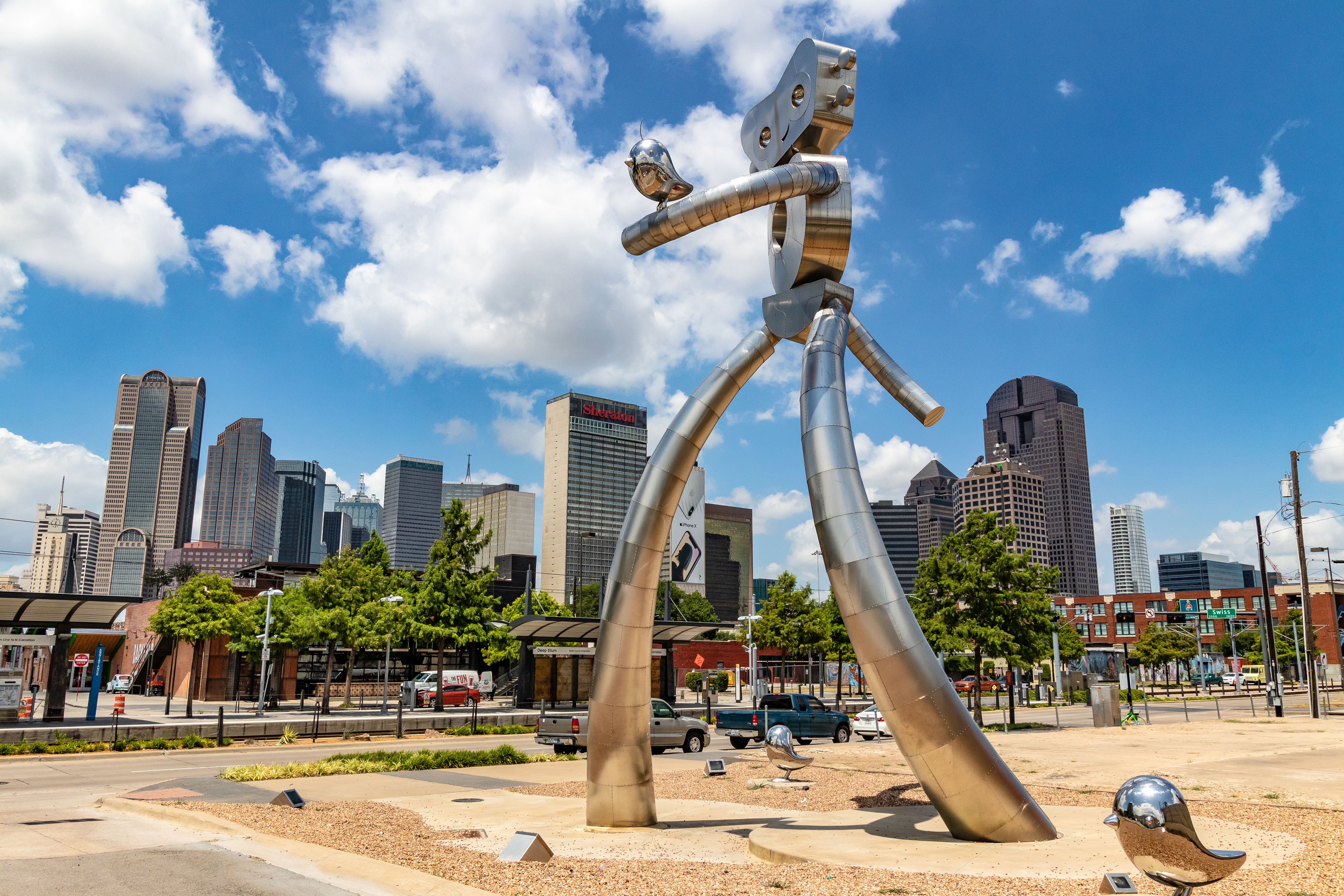
The innovation district
The Innovation District near the University of Texas at Dallas is the center of this move. Texas Instruments and Boeing are already there, but the city is trying to build more than just office parks. They want a neighborhood where people actually stick around.
Infrastructure is a major focus. The Dallas Area Rapid Transit (DART) system is undergoing expansions to better serve the Innovation District, with plans to extend the Cotton Belt Line offering direct access from DFW Airport. There’s also a strong emphasis on creating pedestrian-friendly public spaces, including parks, plazas, and art installations. The goal is to foster a sense of community and encourage collaboration.
The district is actively courting businesses that complement the tech sector, such as trendy restaurants, boutique hotels, and unique entertainment venues. We’re seeing a noticeable shift towards a younger, more diverse demographic in the area. New restaurants are opening with a focus on chef-driven concepts and locally sourced ingredients. Hotels are offering co-working spaces and tech-focused amenities. The vision is to create a 24/7 live-work-play environment that appeals to both residents and visitors.
Recent additions like the 600,000-square-foot mixed-use development near UT Dallas, incorporating retail, dining, and residential units, demonstrate this commitment. It’s a clear indication that the Innovation District is not just about technology; it’s about creating a vibrant and engaging urban experience.
10 modern attractions to visit
Dallas offers a diverse range of attractions, but some truly stand out as reflecting the city’s modern energy. Here are ten must-visit spots for travelers in 2026:
- The Sixth Floor Museum at Dealey Plaza has updated interactive exhibits that explain the social context of the Kennedy assassination. It costs about $20 and takes two hours to see properly.
- Dallas Arts District: Home to the Dallas Museum of Art, the Nasher Sculpture Center, and the AT&T Performing Arts Center, this district is a cultural hub. It’s free to enter the DMA, but special exhibits and performances require tickets. Plan for at least half a day.
- Klyde Warren Park is a green space built right over a freeway. It is a good spot to grab lunch from a food truck and sit on the grass. Entry is free.
- AT&T Discovery District: An immersive entertainment district with interactive experiences, a hotel, and a performance venue. It’s a showcase of cutting-edge technology and a prime example of the city’s modern appeal. Expect to spend 2-4 hours. Free admission, but events may require tickets.
- Perot Museum of Nature and Science: A visually stunning museum with hands-on exhibits that appeal to all ages. It’s a great place to learn about science and technology. Allow at least 3-4 hours. Ticket prices are around $25-30.
- Deep Ellum: Known for its vibrant art scene, live music venues, and eclectic restaurants. It's a great place to experience the city’s creative side. Spend an evening exploring the neighborhood. Costs vary depending on your activities.
- Dallas World Aquarium: A unique aquarium that features diverse marine life and rainforest exhibits. It’s a popular attraction for families. Allow 2-3 hours. Ticket prices are around $30.
- Dallas Arboretum and Botanical Garden: A beautiful garden with seasonal displays and events. It’s a peaceful escape from the city. Allow 2-4 hours. Ticket prices vary depending on the season.
- Trinity River Corridor: This area is undergoing significant development, with plans for parks, trails, and recreational facilities. It’s a great place to bike, walk, or kayak. Access is generally free, but some activities may require rentals.
- The Exchange at AT&T Plaza: A new addition linked to the AT&T Discovery District, this area features a large video wall and interactive exhibits focused on the future of technology. It's a great spot for photo opportunities and learning about innovation. Free admission.
Local favorites
For travelers seeking a more authentic Dallas experience, venture beyond the well-trodden tourist paths. The city has a wealth of hidden gems waiting to be discovered.
First, check out the Bishop Arts District. This charming neighborhood is filled with independent boutiques, art galleries, and cozy cafes. It’s a great place to find unique souvenirs and soak up the local atmosphere. There’s a growing street art scene here, too.
Another worthwhile stop is the Nasher Sculpture Center’s garden. While the museum itself is well-known, the outdoor garden offers a peaceful oasis and a chance to admire modern and contemporary sculptures in a beautiful setting. It's often less crowded than the museum’s interior.
Finally, explore the Deep Ellum Brewing Company. Dallas has a thriving craft beer scene, and Deep Ellum Brewing is a local favorite. They offer tours and tastings, providing a glimpse into the brewing process. It’s a fun and casual way to experience the city’s culinary side.
Getting around
Dallas offers a variety of transportation options to help you navigate the city. The DART (Dallas Area Rapid Transit) system includes light rail, buses, and commuter rail. It’s a cost-effective way to get around, especially to and from the airport and major attractions. As mentioned, the Cotton Belt Line expansion will improve access to the Innovation District.
Ride-sharing services like Uber and Lyft are readily available, but can be expensive during peak hours. Bike rentals are also an option, with several bike-sharing programs operating in the city. Dallas is gradually becoming more pedestrian-friendly, with new sidewalks and crosswalks being added, though it still isn't a particularly walkable city overall.
Parking in downtown Dallas can be expensive, with rates ranging from $10 to $30 per hour. DFW Airport is well-connected to the city center via the DART Orange Line and various shuttle services. Consider the time of day when planning your travel, as traffic can be heavy during rush hour.
Dallas Transportation Options: A Comparison
| Transportation Method | Cost | Convenience | Speed | Coverage Area | Best For |
|---|---|---|---|---|---|
| DART (Rail/Bus) | Generally Lower | Moderate – requires planning | Moderate – can be affected by traffic/route | Extensive, serving many key areas | Budget travelers, commuting, reaching specific stations |
| Uber/Lyft | Variable – surge pricing possible | High – on-demand service | Moderate to High – depends on traffic | Wide, but limited by driver availability | Short trips, direct routes, late-night travel |
| Bike Share | Low – pay-per-ride or membership | Moderate – requires physical effort & awareness | Moderate – dependent on distance and rider fitness | Limited to designated areas & bike lanes | Short distances, exploring parks and trails, good weather |
| Car Rental | Higher – includes rental fees, gas, parking | Moderate – requires driver’s license and navigation | High – offers flexibility and direct routes | Extensive – allows access to all areas | Exploring outside the city center, families, large groups |
| Taxi | Moderate to Higher | High – readily available in many areas | Moderate – affected by traffic | Good within city limits | Airport transfers, direct routes when ride-sharing is unavailable |
Qualitative comparison based on the article research brief. Confirm current product details in the official docs before making implementation choices.
Where to stay
Dallas has a wide range of hotels to suit all budgets and preferences. For the modern traveler, consider these options:
The Joule: A luxury hotel in the Arts District with a striking design and a rooftop pool. Expect to pay around $300-$500 per night.
Hotel Van Cleef: A boutique hotel in Deep Ellum with a cool, artistic vibe. Prices range from $200-$350 per night.
Canvas Hotel Dallas: A modern hotel near the Arts District with a focus on art and design. Prices range from $150-$250 per night.
Virgin Hotels Dallas: Located in the Design District, this hotel offers stylish accommodations and a lively atmosphere. Expect to pay around $250-$400 per night.


No comments yet. Be the first to share your thoughts!