
Beyond Machu Picchu: Peru in 2026
Machu Picchu is spectacular, but by 2026, visitor numbers will likely make it feel crowded. Permits may be harder to get, and the experience might lose some of its magic. This article explores alternatives to the famous citadel, showcasing Peru's wider historical and cultural attractions.
Peru offers more than just one famous ruin. It's a country rich with archaeological sites, varied landscapes, and a history spanning thousands of years. From pre-Inca cultures to colonial towns, Peru appeals to many kinds of travelers. The aim here is to enhance your trip with visits to less-common destinations, not to replace Machu Picchu.
This guide helps you discover Peru beyond the typical tourist spots. We'll look at alternatives to popular routes, featuring newly accessible sites and lesser-known gems. The aim is to foster a more authentic connection with this fascinating country.
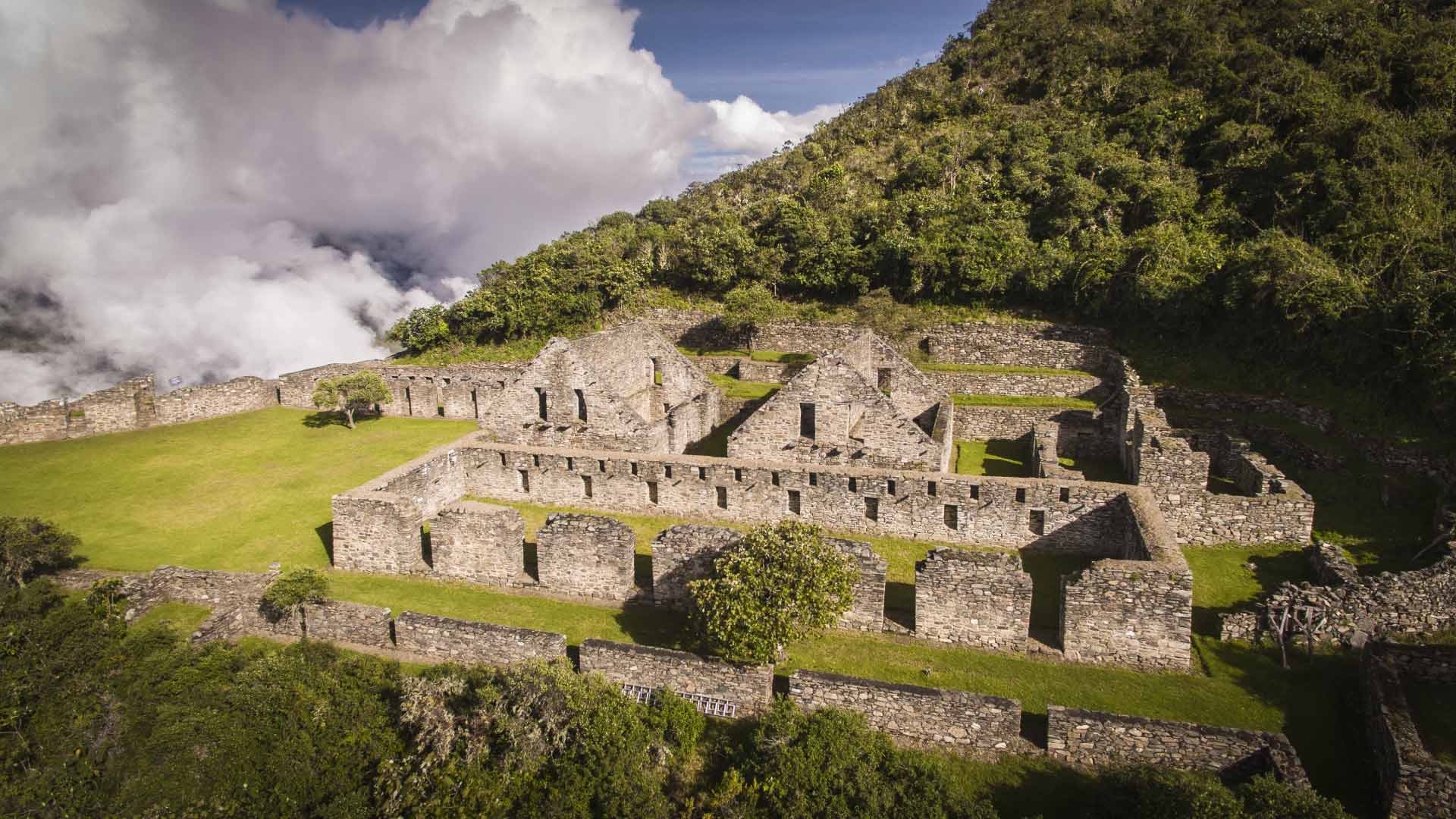
Choquequirao: Machu Picchu’s Sister City
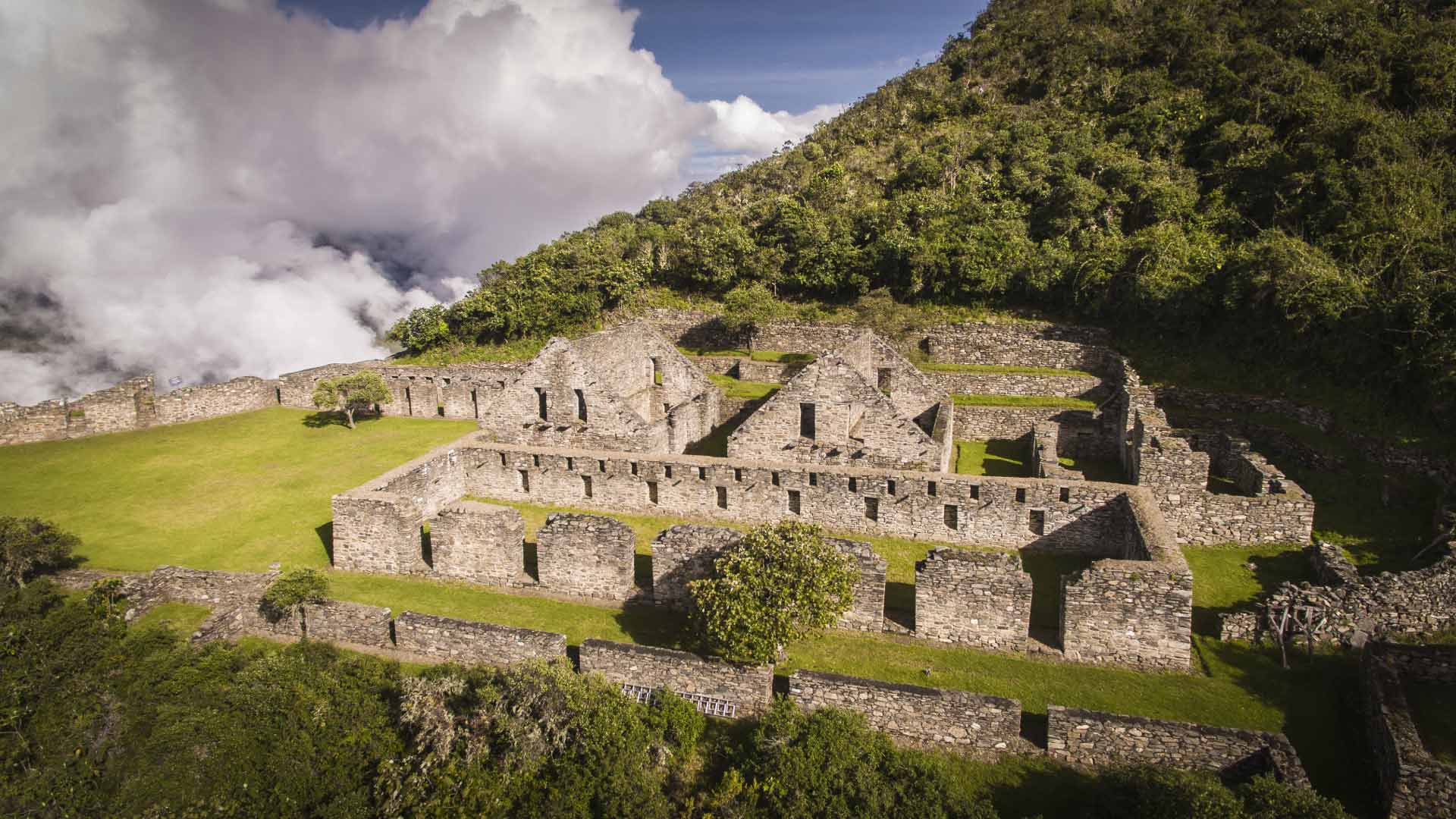
Choquequirao, often called Machu Picchu's 'sister city,' is an Inca settlement comparable to its famous counterpart in size and beauty. Built in the 15th century as a royal estate and religious center, its remote location protected it from Spanish destruction. The site features terraces, impressive stonework, and detailed water channels.
Getting to Choquequirao is an adventure. The trek is much harder than the Inca Trail, usually taking four days round trip from Cusco. It includes steep climbs and descents, reaching over 3,000 meters. You'll pass through cloud forests and find solitude uncommon at busier sites.
Infrastructure is improving, with basic lodging in the nearby village of Cachora and ongoing trail maintenance. However, Choquequirao remains remote, demanding good physical fitness and planning. It's for those who want to earn their reward: a stunning view of a well-preserved Inca city, often shared with few other travelers.
Reports suggest increased investment in trail improvements and a potential cable car project. As of late 2026, the trek is still the main way to access the site. This preserves the sense of adventure, which I hope continues. It's a commitment, but a very rewarding one.
Kuelap Fortress: The Cloud Warriors
High in the northern Peruvian Andes sits Kuelap, a massive stone fortress built by the pre-Inca Chachapoyas culture. Dating to the 6th century AD, it's sometimes called the 'Machu Picchu of the North,' though this comparison doesn't fully capture its distinctiveness. The fortress is imposing, with walls up to 20 meters high and a circumference over 570 meters.
Kuelap's architecture and its creators set it apart. The Chachapoyas, known as the 'Cloud Warriors,' lived in a remote, cloud-covered homeland. Their fortress shows a distinct style, unlike the Inca stonework of the south. The site has hundreds of circular stone structures, likely dwellings, temples, and storehouses.
A cable car opened in 2017, greatly increasing access to Kuelap. This improved accessibility for tourists but also raised concerns about overtourism. Archaeological work continues, with regular discoveries shedding light on the Chachapoyas people. It will be interesting to see how the site handles growing visitor numbers.
Newly Uncovered Sites: 2024-2026 Discoveries
Peru's archaeological sites are continually being uncovered. Recent excavations offer new insights into the country's past. A significant find announced in late 2025 was the Huaca del Sol y la Luna expansion near Trujillo. Archaeologists found a previously unknown section of the Moche temple complex, revealing detailed murals and evidence of ceremonies.
In the Amazonas region, exploration near Kuelap continues to yield results. Discoveries of smaller, fortified settlements suggest a more complex network of Chachapoyas communities than previously understood. These sites, not yet fully open to the public, offer a look into the daily life of the 'Cloud Warriors'.
South of Lake Titicaca, researchers are investigating pre-Inca burial sites. Finds include well-preserved textiles and ceramics, offering clues about cultures that thrived there before the Inca empire. Access to these sites is limited, often requiring permits and guided tours arranged through local communities.
Marcahuamachocho, near Cusco, is seeing renewed interest. This Wari archaeological site is being restored, and researchers are learning more about its urban planning. While not as famous as Machu Picchu, it offers a look into a pre-Inca civilization that influenced the region for centuries.
Nazca Lines: Beyond the Hummingbird
The Nazca Lines, etched into the southern Peruvian desert, are a great archaeological mystery. The hummingbird is the most recognizable geoglyph, but the lines include many shapes—animals, plants, geometric figures, and human-like forms—stretching for kilometers.
The purpose of the Nazca Lines is debated. Theories include astronomical calendars, religious pathways, water rituals, and offerings to the gods. Their creation without modern technology is remarkable. The lines were made by removing reddish-brown, iron oxide-coated pebbles to expose the lighter ground below.
Viewing the Nazca Lines from the air via small aircraft is best. Observation towers offer a limited, but still impressive, perspective. Preservation efforts are ongoing to protect the lines from erosion and human activity. Illegal vehicle traffic is the biggest threat, so stick to designated viewing areas.
Prominent Nazca Line Figures
- Hummingbird - One of the most recognizable figures, depicting a hummingbird in flight. It's approximately 93 meters (305 feet) long.
- Monkey - A complex geoglyph featuring a monkey-like creature with a coiled tail. It measures around 93 meters (305 feet) in length.
- Spider - A detailed representation of a spider, notable for its distinct legs and body. Its size is approximately 47 meters (154 feet).
- Condor - Depicting the Andean condor with wings outstretched, this figure spans approximately 134 meters (440 feet) in length.
- Geometric Shapes - Numerous lines, triangles, trapezoids, and spirals cover a vast area. Sizes vary greatly, from a few meters to hundreds of meters in diameter.
- Humanoid Figure - Also known as the 'Astronaut' or 'Giant', this figure is one of the more enigmatic designs, appearing human-like with an elongated head. It's around 32 meters (105 feet) tall.
- Whale - A long, slender figure representing a whale, stretching approximately 65 meters (213 feet) in length. It is less frequently highlighted than some other figures.
The Rainbow Mountain Alternative: Palccoyo
Vinicunca, known as Rainbow Mountain, has become incredibly popular in recent years, leading to overcrowding and a less-than-pristine experience. Palccoyo offers a similar, yet more tranquil, alternative. Located a few hours from Cusco, Palccoyo features a series of colorful mountains and valleys, showcasing the same geological formations as Vinicunca.
The trek to Palccoyo is less strenuous than the hike to Rainbow Mountain, making it accessible to a wider range of fitness levels. The altitude is still significant (around 4,900 meters), so acclimatization is essential. The scenery is stunning, with panoramic views of the surrounding Andes Mountains. You'll likely encounter fewer tourists, allowing for a more peaceful experience.
Here's a quick comparison:
| Feature | Vinicunca (Rainbow Mountain) | Palccoyo | |-------------------|-----------------------------|----------------------| | Difficulty | Strenuous | Moderate | | Altitude | 5,200 meters | 4,900 meters | | Crowds | Very crowded | Less crowded | | Trek Length | 3-4 hours | 1-2 hours |
Vinicunca (Rainbow Mountain) vs. Palccoyo: A Comparative Overview
| Difficulty | Crowd Level | Altitude (meters) | Trek Duration | Scenery | Accessibility |
|---|---|---|---|---|---|
| Moderate to Hard | High | Approximately 5,200 | Full Day (6-8 hours round trip) | Classic, vibrant rainbow stripes, often snow-capped peaks. | Organized tours from Cusco are common, involving a significant drive and challenging hike. |
| Easy to Moderate | Low | Approximately 4,900 | Half Day (3-4 hours round trip) | Multiple rainbow mountains, less intense coloration but wider views. | Less developed tourist infrastructure; tours are increasing, but still less crowded. |
| Trade-off: Vinicunca is more iconic, Palccoyo offers solitude. | |||||
| Better for experienced hikers | Better for those seeking a less strenuous experience | ||||
| Higher physical demand | Lower physical demand | ||||
| More photographic opportunities of a single, dramatic peak | Panoramic views with multiple colorful formations | ||||
| More readily available tour options | Growing number of tour options, but may require more research |
Qualitative comparison based on the article research brief. Confirm current product details in the official docs before making implementation choices.
Northern Peru’s Secrets: Tucume and Huaca de la Luna
Peru’s historical richness extends far beyond the Inca empire. In the north, the Lambayeque region holds a wealth of archaeological treasures. Tucume is a complex of 26 adobe pyramids, built by the Sican culture between 1000 and 1100 AD. The site offers a fascinating glimpse into the religious and political life of this pre-Inca civilization.
Huaca de la Luna (Temple of the Moon), near Trujillo, is another remarkable site. Built by the Moche culture, it features impressive murals depicting scenes of sacrifice, warfare, and daily life. Excavations continue to reveal new insights into the Moche religion and cosmology. The site provides a stark contrast to the stonework of the Inca, showcasing a different architectural style and cultural tradition.
These northern sites are often overlooked by tourists, but they offer a unique and rewarding experience. They demonstrate the diversity of Peru’s ancient history, reminding us that the Inca were just one chapter in a long and complex story. Visiting these sites requires a bit more effort, but the rewards are well worth it.
Planning Your Trip: Visas and Logistics (2026)
Planning a trip to Peru requires some preparation. As of late 2026, most nationalities do not require a visa for stays of up to 183 days. However, regulations can change, so it’s essential to check the latest requirements before your trip. For travelers from the USA, the official information can be found on the State Department’s website:
For citizens of India and Australia, visa requirements are generally visa-free for tourism stays under 90 days. Always confirm the most up-to-date visa information with the Peruvian embassy or consulate in your country. The best time to visit Peru is during the dry season (May to September), although temperatures can vary significantly depending on the region. Transportation options include flights, buses, and trains. Be sure to factor in altitude sickness when planning your itinerary, and drink plenty of water.


No comments yet. Be the first to share your thoughts!