
Moving beyond Machu Picchu
Peru is moving away from its reliance on Machu Picchu. While the citadel remains the main draw, overcrowding and new permit limits are forcing the government to promote other regions. By 2026, the focus will be on spreading visitors across the northern highlands and the deep south.
The challenges at Machu Picchu are well-documented. Daily visitor limits, timed entry systems, and ongoing preservation efforts are necessary, but they also impact the experience. This has created an opportunity to spotlight Peru’s incredible diversity—its other archaeological sites, its vibrant culture, and its stunning natural beauty. The focus is now on distributing tourism’s benefits more widely and protecting the country's heritage.
This isn’t simply about finding "alternatives’ to Machu Picchu, though that’s a part of it. It’s about a broader commitment to sustainable tourism, ensuring that future generations can enjoy Peru"s treasures. The government is actively investing in infrastructure and promoting lesser-known destinations. I believe this represents a positive evolution for Peruvian tourism, one that prioritizes preservation and authentic experiences.
National sustainability efforts
The Peruvian government, along with various NGOs and local communities, is actively implementing sustainable tourism initiatives. A key component is the promotion of community-based tourism, where local communities directly benefit from tourism revenue. This includes supporting locally owned businesses, providing employment opportunities, and preserving traditional cultural practices. These efforts aim to move away from a purely extractive model.
Specific policies include a greater emphasis on environmental impact assessments for new tourism projects. While a nationwide certification program doesn't yet exist, several regional initiatives are gaining traction. For example, the Sustainable Tourism Seal of Cusco recognizes businesses that meet certain environmental and social criteria. There's also a growing awareness of the need to manage waste effectively and reduce the carbon footprint of tourism activities.
Currently, only Machu Picchu has strict daily caps, though MINCETUR is reviewing capacity for the Sacred Valley. Some local agencies now offer reforestation add-ons to offset travel, though these rely heavily on voluntary participation rather than national law.
- Hire guides from the specific village you are visiting to keep funds in the local economy.
- Respect local customs and traditions.
- Minimize your environmental impact.
- Choose tour operators committed to sustainability.
Choquequirao: the remote alternative
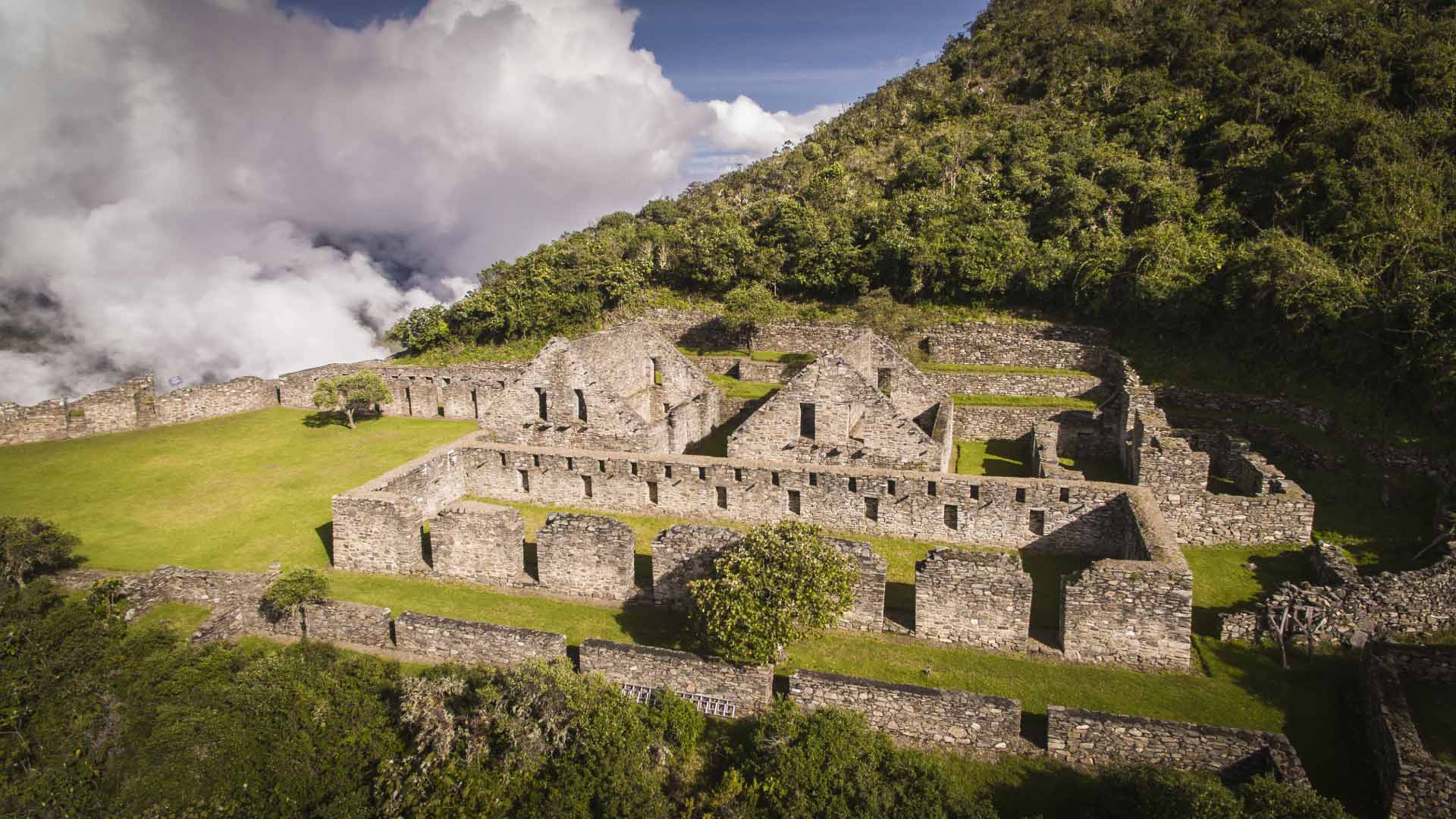
Often referred to as Machu Picchu’s "sister city," Choquequirao is a stunning Inca citadel that offers a more challenging, but ultimately more rewarding, experience. Situated high in the Andes mountains, it requires a multi-day trek to reach—a significant deterrent to many casual tourists, which is part of its appeal. The site itself is remarkably well-preserved, with intricate stonework and a fascinating history.
The trek to Choquequirao is demanding, typically taking four to five days round trip from Cusco. It involves steep ascents and descents, and requires a good level of fitness. However, the isolation and the breathtaking scenery make it an unforgettable journey. Visitors can expect to see terraces, plazas, temples, and residential areas, all nestled amidst cloud forest. It's a truly immersive experience.
Visitor numbers to Choquequirao have been steadily increasing in recent years, but remain significantly lower than Machu Picchu. According to Odynovotours.com, Choquequirao is experiencing increasing interest as of 2026. There are currently no plans for a cable car or other major infrastructure projects, which is reassuring for those who value its remote character. However, the local community is working to improve trekking infrastructure, such as campsites and trail maintenance. I think the balance between accessibility and preservation will be crucial in the coming years.
Kuelap and the northern cloud forest
Kuelap Fortress, located in the northern cloud forests of Peru, is a remarkable pre-Inca site built by the Chachapoyas culture. Often called the "Machu Picchu of the North,’ it"s a massive stone structure perched atop a mountain ridge, offering panoramic views of the surrounding landscape. Its unique architecture and historical significance make it a must-visit destination.
The fortress’s walls reach up to 60 feet in height and enclose a complex network of circular structures. The Chachapoyas were a fierce and independent people who resisted Inca rule for centuries. Kuelap served as their primary stronghold and a center of political and religious life. Exploring the site provides a fascinating glimpse into their culture and history.
The recent installation of a cable car has dramatically increased accessibility to Kuelap. This has undoubtedly boosted tourism to the region, bringing economic benefits to local communities. However, there are also concerns about potential overdevelopment and the impact on the site’s fragile ecosystem. The cable car has made it easier for day-trippers to visit, which could lead to overcrowding. It's a complex situation, and careful management will be essential to ensure the long-term sustainability of tourism in the area.
Newly Accessible Sites: Unearthing Peru’s Past
Beyond the well-known sites, Peru is brimming with lesser-known archaeological treasures. Huánuco Pampa, for example, is a significant Inca administrative center that is gradually being restored and opened to visitors. It offers a fascinating insight into the Inca’s organizational skills and their control over the region.
Leymebamba Museum, near Chachapoyas, houses a remarkable collection of mummies and artifacts recovered from the Laguna de los Cóndores. The museum provides a compelling narrative of the Chachapoyas culture and their burial practices. The site isn’t widely known, offering a more intimate experience.
Smaller, lesser-known ruins are scattered throughout the Sacred Valley. These sites often require some effort to reach, but the reward is the opportunity to explore Peru’s history without the crowds. I recommend engaging a local guide to learn about the history and significance of these hidden gems. This is where the real sense of discovery lies.
Peru Visa Requirements for US & Australian Citizens (2024)
| Nationality | Visa Required for Tourism? | Application Process | Typical Processing Time | Further Information |
|---|---|---|---|---|
| United States | Generally Not Required (under 183 days) | Not typically needed for stays under 183 days. Passport with at least six months validity is essential. | N/A - No visa needed | https://travel.state.gov/content/travel/en/international-travel/Country-and-Region-Information-Pages/Peru.html |
| Australia | Generally Not Required (under 183 days) | Not typically needed for stays under 183 days. Passport with at least six months validity is essential. | N/A - No visa needed | https://travel.state.gov/content/travel/en/international-travel/Country-and-Region-Information-Pages/Peru.html |
| United States | Longer Stays/Specific Purposes | Visa application required through the Peruvian embassy or consulate. Documentation varies based on purpose of visit. | Can vary significantly; allow ample time. | https://travel.state.gov/content/travel/en/international-travel/Country-and-Region-Information-Pages/Peru.html |
| Australia | Longer Stays/Specific Purposes | Visa application required through the Peruvian embassy or consulate. Documentation varies based on purpose of visit. | Can vary significantly; allow ample time. | https://travel.state.gov/content/travel/en/international-travel/Country-and-Region-Information-Pages/Peru.html |
| United States | Entry Requirements | Passport validity, proof of onward travel, and sufficient funds may be requested upon arrival. | N/A | https://travel.state.gov/content/travel/en/international-travel/Country-and-Region-Information-Pages/Peru.html |
| Australia | Entry Requirements | Passport validity, proof of onward travel, and sufficient funds may be requested upon arrival. | N/A | https://travel.state.gov/content/travel/en/international-travel/Country-and-Region-Information-Pages/Peru.html |
Qualitative comparison based on the article research brief. Confirm current product details in the official docs before making implementation choices.




No comments yet. Be the first to share your thoughts!