
Beyond Machu Picchu: Peru's 2026 Appeal
Peru is experiencing a surge in tourism, and for good reason. The country offers a stunning variety of experiences, from ancient ruins to vibrant culture and incredible natural beauty. However, this popularity is putting a strain on iconic sites like Machu Picchu, with increasingly difficult permit processes and rising costs for entry and associated services. Securing a permit now feels like a competitive sport, and the price reflects that demand.
This isn't to say you should avoid Machu Picchu entirely, but I believe it’s worth exploring the incredible range of alternative destinations Peru has to offer. Beyond the well-trodden path lie equally rewarding archaeological sites and experiences, often with fewer crowds and a more authentic feel. The past few years have also seen exciting new archaeological discoveries, further expanding the possibilities for exploration.
This guide is designed to help you discover these hidden gems and plan a fulfilling Peru trip in 2026. We’ll move beyond the obvious and uncover the treasures that await those willing to venture a little further. It’s about experiencing the magic of Peru without battling the biggest crowds, and supporting a more sustainable approach to tourism.
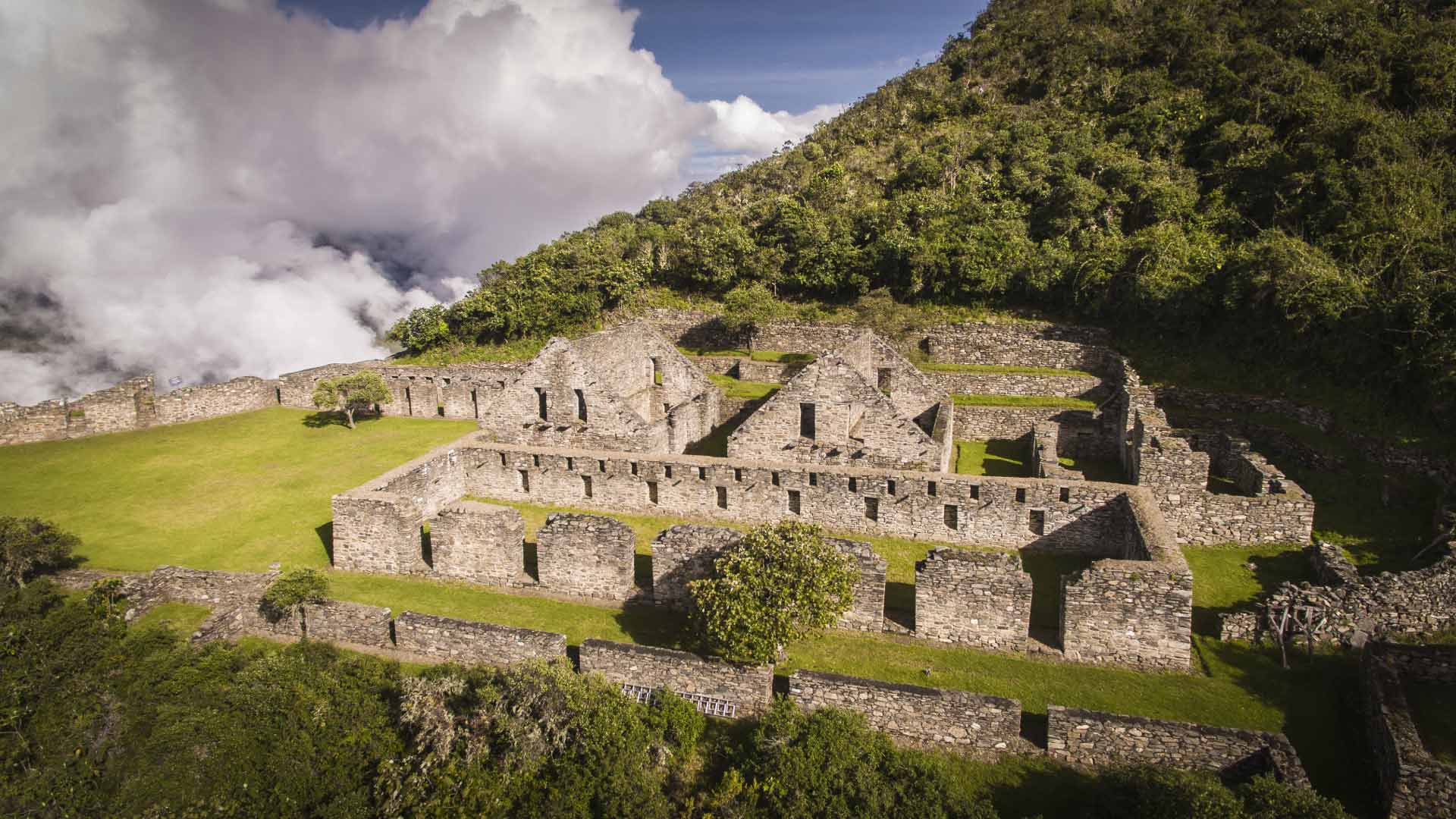
Choquequirao: Machu Picchu’s 'Sacred Sister'
Often referred to as Machu Picchu’s "Sacred Sister", Choquequirao is a remarkable Inca citadel that rivals its more famous counterpart in beauty and historical significance. The trek to Choquequirao is challenging – a multi-day hike through varying terrain – but the reward is a sense of accomplishment and the opportunity to explore a site that feels truly untouched. The hike typically takes 4-6 days roundtrip from Cusco, descending into the Apurímac River valley and then ascending to the ruins.
The site itself is expansive, featuring terraces, plazas, residential areas, and intricate stonework. While many structures are still being excavated, what remains is incredibly impressive. The architecture shares similarities with Machu Picchu, but Choquequirao feels less meticulously planned, suggesting a different purpose and construction timeline. Some historians believe it was a royal estate, while others suggest it served as a religious center.
Tourism infrastructure is growing, with more lodges and guided tours becoming available, but it’s still significantly less developed than Machu Picchu. Permits are not currently required, though this could change as the site gains popularity. The trek is strenuous, requiring a good level of fitness and acclimatization to the altitude. Hiring a local guide is highly recommended, both for navigational assistance and to learn about the history and significance of the site. Expect to pay around $600-$1000 for a guided trek including meals and porters.
What sets Choquequirao apart is the feeling of discovery. You're likely to share the site with only a handful of other visitors, allowing for a more intimate and immersive experience. It’s a chance to connect with the Inca past in a way that’s becoming increasingly rare.
Kuelap Fortress: The Cloud Warriors
High in the cloud forests of northern Peru lies Kuelap, a massive pre-Inca fortress built by the Chachapoyas culture. This remarkable site, often called the "Machu Picchu of the North", is a testament to the ingenuity and resilience of a people who fiercely resisted the Inca expansion. The fortress is constructed from enormous stone blocks, some weighing several tons, fitted together without mortar.
Reaching Kuelap has become significantly easier in recent years with the opening of a cable car system. This reduces the travel time from Nuevo Tingo to the fortress entrance from a challenging six-hour hike to a comfortable 20-minute ride. The Chachapoyas people were known as the "Cloud Warriors" due to their remote location and their ability to defend their territory. They developed a unique culture and architectural style, distinct from the Inca.
Archaeological work at Kuelap is ongoing, revealing more about the Chachapoyas civilization and the fortress's purpose. The site includes over 400 circular stone houses, as well as several plazas and ceremonial structures. Exploring Kuelap offers a fascinating glimpse into a little-known chapter of Peruvian history. Entrance fees are around $15 USD, and the cable car ride is approximately $25 USD roundtrip.
I was particularly struck by the scale of the construction. The sheer effort required to transport and assemble those massive stones is astonishing. It’s a truly humbling experience.
Newly Uncovered Sites: 2024-2026 Discoveries
Peru continues to yield archaeological treasures. Recent discoveries are reshaping our understanding of pre-Columbian civilizations. In early 2025, a team from the University of San Marcos announced the discovery of a complex of structures near the town of Marcahuamachocho, in the Cusco region (El Comercio, Feb 12, 2025). The site, believed to date back to the Wari culture (600-1000 AD), includes residential buildings, storage facilities, and a ceremonial plaza.
Another significant find was made in the Amazon rainforest, near the border with Brazil. Archaeologists uncovered evidence of a previously unknown settlement, complete with agricultural terraces and a network of roads (National Geographic, July 20, 2024). The site suggests a more complex and organized society than previously thought existed in this region. Access is currently restricted to researchers, but the Peruvian government is considering opening a limited number of tours in 2026.
Closer to Machu Picchu, excavations near the Inti Punku (Sun Gate) have revealed a series of tombs containing the remains of high-status individuals, along with a wealth of artifacts, including pottery, jewelry, and textiles (Andina News Agency, November 5, 2024). These findings are providing valuable insights into the Inca elite and their burial practices. These tombs are not yet open to the public, but are expected to be incorporated into future Machu Picchu tour routes.
These discoveries highlight the incredible archaeological potential of Peru. They also underscore the importance of responsible tourism and the need to protect these fragile sites for future generations. It's exciting to think about what else might be hidden beneath the surface.
- Marcahuamachocho Complex (Wari Culture): Discovered in Cusco region, 2025. Features residential buildings, storage, and a plaza.
- Amazon Rainforest Settlement: Found near Brazil border, 2024. Demonstrates complex society with terraces and roads.
- Inti Punku Tombs (Inca Elite): Excavated near Machu Picchu, 2024. Contains artifacts revealing insights into Inca burial practices.
Newly Discovered Archaeological Sites in Peru (2026)
| Site Name | Region | Culture | Date of Discovery | Accessibility |
|---|---|---|---|---|
| Choquequirao’s Sister City (Possible Name) | Cusco Region | Inca | Early 2024 (Initial reports) | Limited - Research ongoing, permits required for guided tours |
| Alto Huaylla | Lima Region | Pre-Inca (Lima Culture) | 2023 | Closed - Site stabilization and research in progress |
| Wari Site near Huancayo | Junín Region | Wari | Late 2022 | Limited - Archaeological park under development, some areas accessible with permission |
| Espíritu Pampa – Possible Inca Administrative Center | Cusco Region | Inca | 2024 | Open - Access is through guided tours as part of the Inca Trail network, requires permits |
| Unanue Complex | Arequipa Region | Collagua | 2021 | Limited - Partially open to visitors, access restricted to certain areas due to ongoing excavation |
| Pillaco Marca | Huanuco Region | Huari | 2019 | Open - Accessible to tourists, though infrastructure is still developing |
Illustrative comparison based on the article research brief. Verify current pricing, limits, and product details in the official docs before relying on it.
The Nazca Lines: Perspectives from Above
The enigmatic Nazca Lines, massive geoglyphs etched into the desert landscape, continue to fascinate and puzzle researchers. While the classic airplane tours remain the most popular way to view the lines, new research is shedding light on their creation and purpose. Recent studies suggest the lines were not solely intended as astronomical calendars, but also played a role in religious ceremonies and water management (Smithsonian Magazine, March 15, 2025).
You can view the lines from small planes that depart from Nazca and Pisco. These flights typically last around 30-40 minutes and offer breathtaking views of the geoglyphs. Alternatively, observation towers have been built along the Pan-American Highway, providing a more affordable, though less comprehensive, viewing experience. Plane tours cost around $80-$150 USD per person.
The environmental impact of tourism is a growing concern. Dust from plane traffic and vehicle access can damage the fragile desert surface. Conservation efforts are underway, including stricter regulations on flight paths and visitor access. New figures are still being discovered, identified through enhanced satellite imagery and drone surveys. It's a dynamic site, constantly revealing new secrets.
I found the experience of flying over the lines to be truly awe-inspiring. The scale and precision of the geoglyphs are remarkable, and it's hard not to feel a sense of wonder.
Huacachina Oasis: Desert Adventure
Nestled amidst the towering sand dunes of the Ica desert, Huacachina is a surreal and captivating oasis. This small village, built around a natural lake, offers a unique blend of adventure and relaxation. The oasis itself is relatively small, but the surrounding dunes provide the perfect setting for adrenaline-pumping activities.
Sandboarding and dune buggy rides are the main attractions. You can rent a sandboard and glide down the dunes, or hop on a dune buggy for a thrilling ride through the desert landscape. Several tour operators offer packages that combine both activities. Prices for dune buggy and sandboarding tours typically range from $30-$60 USD per person.
The sustainability of Huacachina is a concern, as the oasis relies on a limited water supply. Water management is a constant challenge, and efforts are being made to conserve this precious resource. Tourism infrastructure has been expanding in recent years, with new hotels and restaurants catering to the growing number of visitors.
It's a bit of a tourist trap, admittedly, but the sheer novelty of the location makes it worthwhile. The sunset over the dunes is particularly spectacular.
Planning Your Trip: Visas and Logistics
Planning a trip to Peru requires some logistical considerations. For US citizens, a tourist visa is generally not required for stays of up to 183 days (travel.state.gov, accessed November 15, 2025). However, you will need a valid passport with at least six months of validity remaining. Australian citizens also generally do not require a visa for tourist stays of up to 183 days.
Transportation within Peru is diverse. Domestic flights are a convenient way to travel long distances, with several airlines operating routes between major cities. Buses are a more affordable option, but travel times can be significantly longer. Trains are available on certain routes, such as Cusco to Machu Picchu.
Altitude sickness is a common concern, particularly in the Andes Mountains. Acclimatizing gradually is crucial. Spend a few days in Cusco or another high-altitude city before embarking on strenuous activities. Drink plenty of water, avoid alcohol, and consider consulting your doctor about altitude sickness medication. Health precautions include vaccinations for hepatitis A and typhoid, and taking precautions against mosquito-borne illnesses.
Official tourism websites such as Peru Travel (peru.travel) and the US State Department’s Peru page (travel.state.gov) provide valuable information and resources. Remember to check for the latest travel advisories and health recommendations before your trip.
- US Citizens: No visa required for stays up to 183 days, valid passport needed.
- Australian Citizens: No visa required for stays up to 183 days.
- Altitude Sickness: Acclimatize gradually, drink water, avoid alcohol.
- Health Precautions: Vaccinations for hepatitis A & typhoid, mosquito protection.



No comments yet. Be the first to share your thoughts!