
Beyond Machu Picchu: Peru's Lost Cities
Peru calls to mind images of mist-shrouded mountains and the iconic citadel of Machu Picchu. It's a powerful draw, and understandably so. But to focus solely on Machu Picchu is to miss the breathtaking depth of Peru’s history. For centuries, long before the Inca rose to power, complex civilizations thrived in this land, leaving behind a legacy of incredible archaeological sites.
These cultures – the Caral, Chimú, Chachapoyas, and many others – built cities, temples, and fortresses that rival Machu Picchu in their ingenuity and scale. They offer a unique window into Peru’s pre-Inca past, a story often overshadowed by the more famous Inca empire. There’s a growing desire among travelers to venture beyond the well-trodden path, to seek out experiences that are more authentic and contribute to sustainable tourism.
In 2026, this desire will likely intensify as travelers look for less crowded, more enriching experiences. Peru is ready to deliver. This isn’t about replacing Machu Picchu in your itinerary; it’s about expanding it. It’s about understanding the full scope of Peru’s remarkable past and supporting the communities that safeguard these treasures.
The 12 Archaeological Sites
Peru’s archaeological wealth is staggering. Beyond Machu Picchu, dozens of sites await exploration. Here are twelve, offering a diverse glimpse into the cultures that shaped this nation. We’ll move roughly north to south, tracing a path through Peru’s ancient heartland. Keep in mind that accessibility and conditions can change, so checking current information before you go is always a good idea.
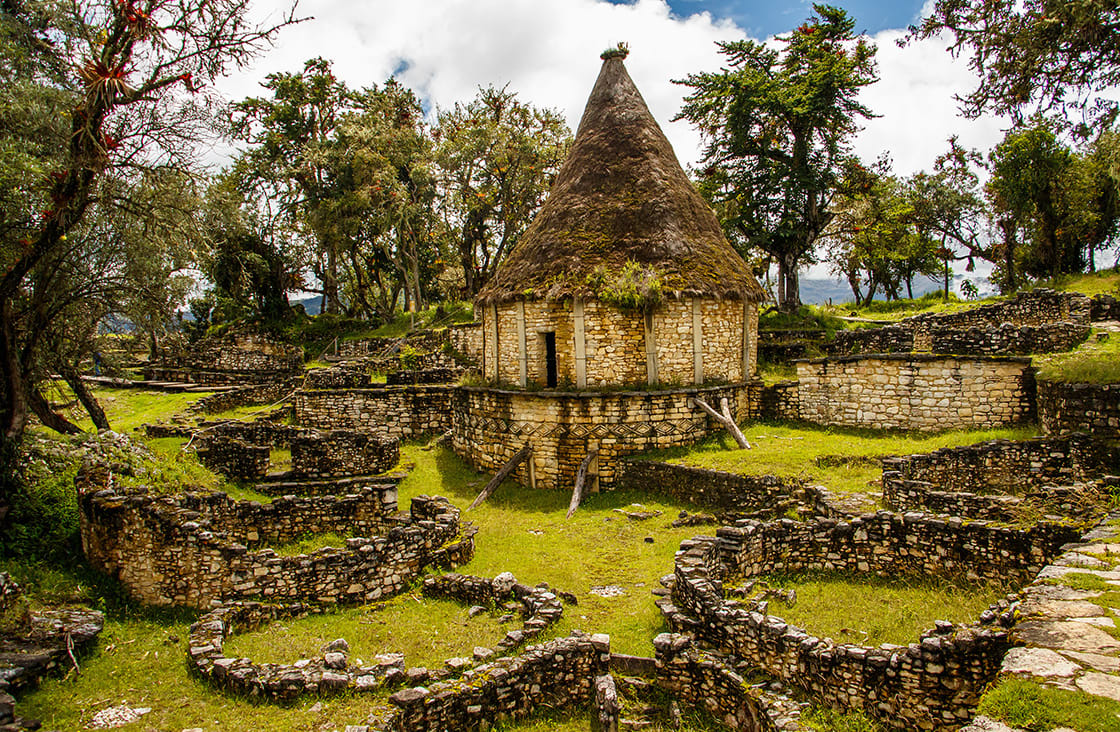
Our journey begins in the north with Kuélap, a fortress often called the "Machu Picchu of the North’. This immense stone structure, built by the Chachapoyas people, predates the Inca and offers stunning views of the surrounding cloud forest. Further south lies Chan Chan, the largest pre-Columbian city in the Americas, constructed entirely of adobe. Its intricate network of palaces and temples is a testament to the Chimú civilization"s power and artistry.
Moving towards the coast, we encounter Caral, one of the oldest cities in the Americas, dating back over 5,000 years. Its sophisticated urban planning and monumental architecture reveal a highly organized society. Closer to the modern capital, Huaca Pucllana offers a fascinating glimpse into the Lima culture, with its well-preserved adobe pyramids. Then, heading inland, we arrive at Sacsayhuamán, an Inca fortress overlooking Cusco, famed for its massive stone blocks fitted together with incredible precision.
The Sacred Valley holds several key sites. Ollantaytambo, a strategically important Inca town and fortress, showcases impressive stonework and agricultural terraces. Moray, with its circular agricultural terraces, is believed to have been an Inca agricultural experiment station. Pisac, known for its vibrant market and Inca ruins, offers a blend of culture and history.
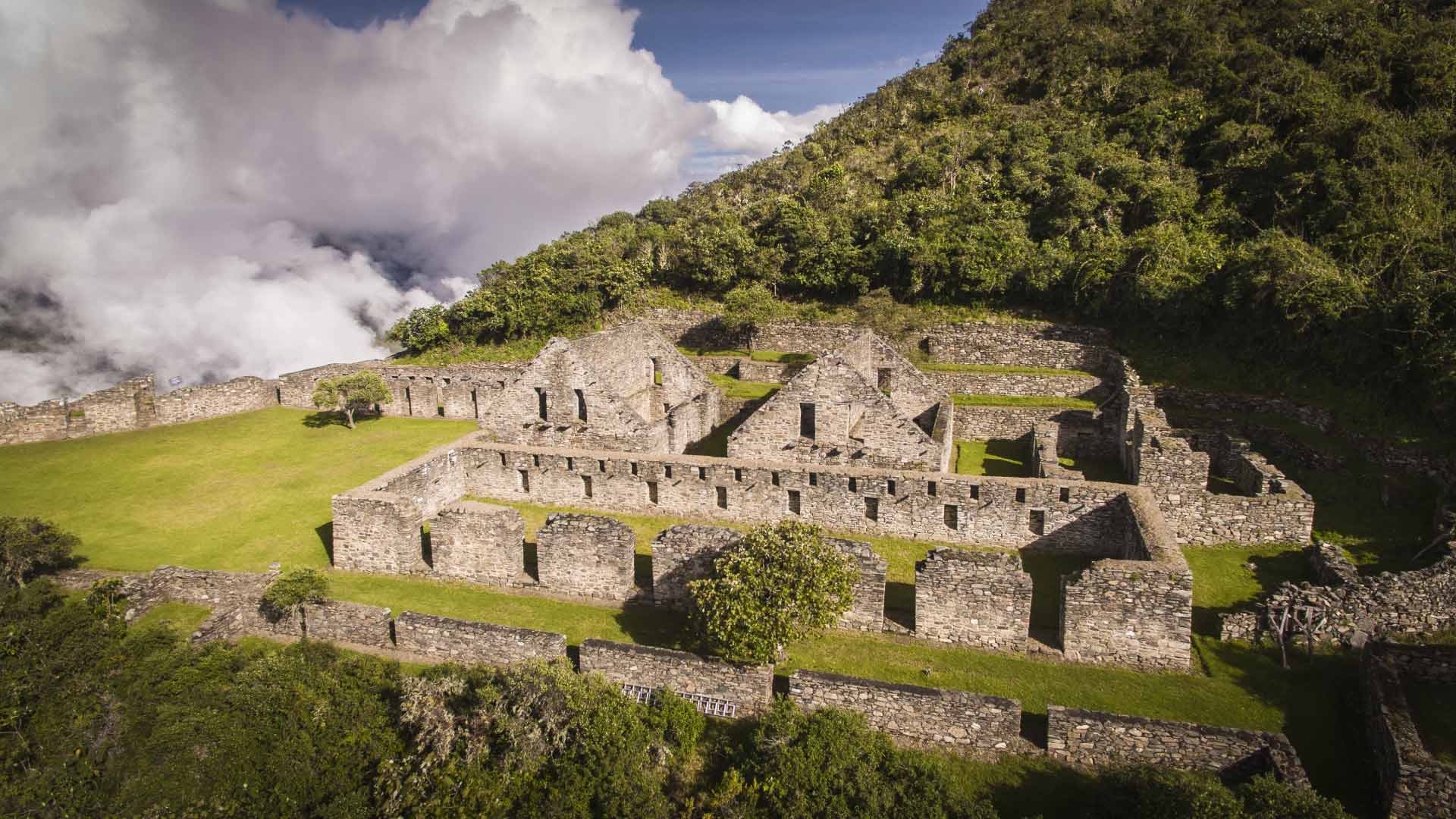
Venturing south, we reach Choquequirao, often referred to as Machu Picchu’s "sister city’. It’s a challenging hike to reach, but the reward is a less crowded, equally impressive Inca site. The Nazca Lines, etched into the desert, remain one of the world’s great mysteries, best viewed from the air. Túcume, a complex of 26 adobe pyramids, represents the Lambayeque culture"s funerary practices. Finally, we have the sites of Kuelap (yes, spelled differently), and the pre-Inca ruins of Huaca Rajada, home to the Lord of Sipán tomb.
Kuélap: The Fortress in the Clouds
Kuélap, located in northern Peru, is a remarkable fortress built by the Chachapoyas people between the 6th and 11th centuries AD. Perched high on a mountaintop, it served as a defensive stronghold and a ceremonial center. The fortress is surrounded by massive stone walls, some reaching over 60 feet in height, and features over 400 circular stone structures within its walls.
What makes Kuélap unique is its location and the Chachapoyas culture itself. They were a fiercely independent people who resisted Inca rule for decades. The fortress’s strategic position offered a commanding view of the surrounding valleys, making it difficult to attack. In recent years, a cable car has been constructed, dramatically improving accessibility to the site. Archaeological work continues, revealing more about the Chachapoyas and their way of life. The local communities benefit from tourism through employment and the sale of crafts.
Chan Chan: City of Mud Brick
Chan Chan, near modern-day Trujillo, was the capital of the Chimú kingdom from around 850 to 1470 AD. It’s the largest pre-Columbian city in the Americas, covering an area of over 7.7 square kilometers. The city is constructed almost entirely of adobe – sun-dried mud brick – and consists of nine walled citadels, each containing palaces, temples, and residential areas.
Its unique architecture reflects the Chimú’s mastery of adobe construction and their sophisticated understanding of hydraulics. The city’s elaborate decorations depict marine life, birds, and geometric patterns. However, Chan Chan is facing significant challenges from erosion due to its adobe construction and the arid climate. Preservation efforts are ongoing, but the site remains vulnerable. Visiting Chan Chan offers a powerful glimpse into the Chimú civilization and their artistic achievements.
Caral: Cradle of Civilization
Caral, located in the Supe Valley, is one of the oldest cities in the Americas, dating back to around 2600 BC. It flourished for over 500 years and is considered a crucial center of early civilization in the region. The site features six pyramids, plazas, and residential areas, all meticulously planned and constructed.
Caral’s significance lies in its sophisticated urban planning and evidence of a complex social organization. The city lacked fortifications, suggesting a relatively peaceful society. Ongoing archaeological research continues to uncover new insights into Caral’s history and its role in the development of Andean civilization. The site is a testament to the ingenuity and adaptability of early humans in Peru.
Navigating Permits and Access
Planning a trip to Peru’s archaeological sites requires some preparation. Machu Picchu, of course, has the most stringent permit requirements. As of late 2023, permits need to be booked well in advance – sometimes months – through the official government website or authorized tour operators. Different ticket types offer access to different sections of the site. Other sites, while less regulated, may still require entrance fees or have limited opening hours.
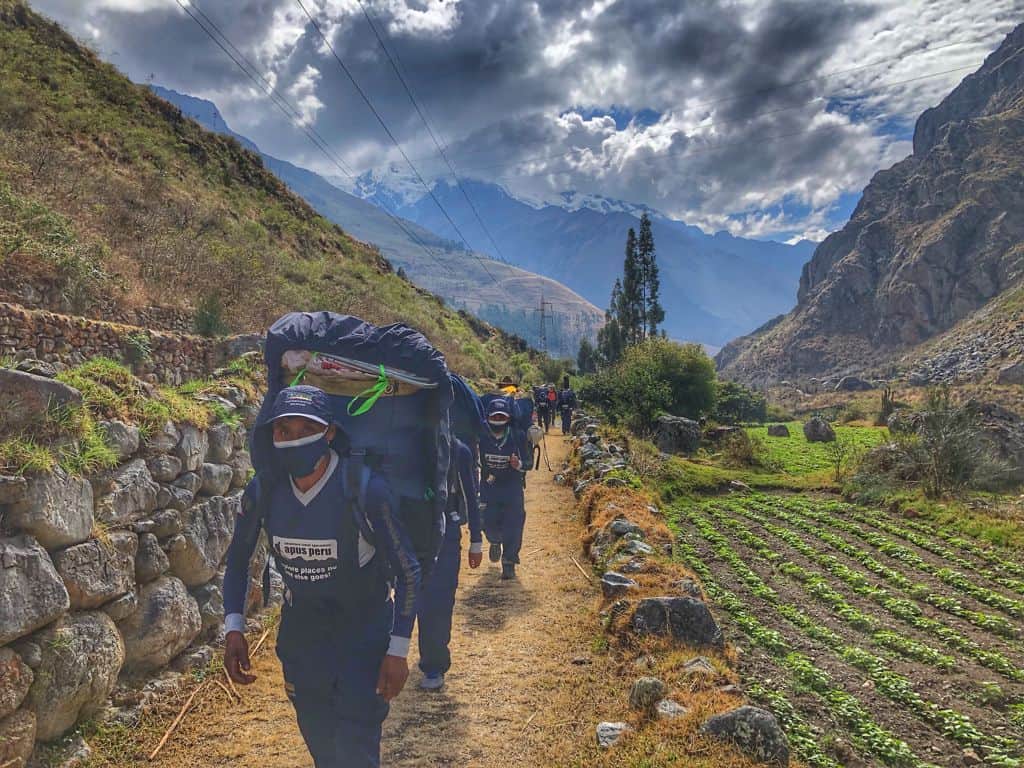
Transportation options vary depending on the site. Some sites, like Kuélap, are now more accessible thanks to the cable car. Others, like Choquequirao, require multi-day treks. Public transport (buses and colectivos – shared vans) is available to many towns near the sites, but may require further local transport to reach the actual ruins. Self-driving is possible, but road conditions can be challenging, especially in remote areas. The altitude can also be a factor; Cusco and the surrounding areas are at over 11,000 feet, so acclimatization is crucial. Take it easy on your first day, drink plenty of water, and avoid strenuous activity.
For US and Australian citizens, visa requirements for tourism are generally straightforward. According to travel.state.gov, US citizens typically do not need a visa for stays of up to 183 days. Australian citizens also enjoy visa-free entry for tourism purposes, but it’s always best to check the latest requirements before you travel. You can find up-to-date information on visa requirements at
- Machu Picchu: Permits essential, book well in advance.
- Kuélap: Cable car access, entrance fee required.
- Caral: Relatively easy access, entrance fee applies.
- Choquequirao: Multi-day trek, no permits currently required but conditions can change.
Accessibility of Peru's Archaeological Sites (2026)
| Site Name | Permit Required (Yes/No) | Difficulty of Access | Best Transportation Method | Estimated Travel Time from Lima |
|---|---|---|---|---|
| Chan Chan | No | Easy | Bus/Organized Tour | Approximately 8-10 hours |
| Kuelap Fortress | Yes | Moderate | Cable Car & Local Transport | Approximately 12-14 hours (including travel to Chachapoyas) |
| Nazca Lines | No | Easy | Small Plane Tour | Approximately 6-8 hours (including flight time) |
| Huaca Pucllana | No | Easy | Taxi/Public Transport | Approximately 30-60 minutes |
| Moray | No | Moderate | Organized Tour/Taxi | Approximately 8-10 hours (from Cusco, accessible via Lima) |
| Ollantaytambo | No | Easy | Train/Taxi | Approximately 9-11 hours (from Cusco, accessible via Lima) |
| Choquequirao | Yes | Difficult | Multi-day Trek | Approximately 12-15 hours (to trailhead, then 2-4 day trek) |
| Caral | No | Moderate | Organized Tour/Private Vehicle | Approximately 3-4 hours |
Illustrative comparison based on the article research brief. Verify current pricing, limits, and product details in the official docs before relying on it.
Sustainable Tourism in Peru
undefined environmental conservation, respecting cultural traditions, and minimizing your environmental footprint.
Look for tour companies that employ local guides, support local businesses, and contribute to conservation efforts. Avoid purchasing souvenirs made from endangered species or illegally obtained artifacts. Be mindful of your waste and dispose of it properly. Respect local customs and traditions, and ask permission before taking photographs of people. Consider staying in locally owned accommodations and eating at local restaurants. Every small action can make a difference.
Standout Sites: Choquequirao & Túcume
While all twelve sites offer unique rewards, Choquequirao and Túcume stand out for their adventurous appeal and relative lack of crowds. Choquequirao, often called Machu Picchu’s "sister city’, is located high in the Andes and requires a challenging multi-day trek to reach. The journey is arduous, but the reward is a remarkably well-preserved Inca site with stunning views and a sense of discovery that"s hard to find elsewhere.
Túcume, on the northern coast, is a complex of 26 adobe pyramids built by the Lambayeque culture. The site is less visually dramatic than Machu Picchu or Kuélap, but its scale and the mystery surrounding its purpose are captivating. Exploring the pyramids and imagining the ceremonies that once took place here is a truly immersive experience. Both Choquequirao and Túcume offer a chance to connect with Peru’s ancient past in a more intimate and authentic way.


No comments yet. Be the first to share your thoughts!