
Spain's Most Photogenic Corners: 2026
Spain is one of the world's most visited countries, offering diverse regions from the sun-drenched beaches of the Costa del Sol to the dramatic peaks of the Pyrenees. While landmarks like the Sagrada Familia remain popular, travelers increasingly seek authentic experiences and hidden gems, moving photography beyond the typical tourist trail.
Social media amplifies the popularity of certain locations, sometimes leading to overcrowding. This awareness prompts responsible tourism, with people seeking to capture Spain's beauty while respecting its culture and environment. Expect a continued trend toward exploring lesser-known areas and unique perspectives.
A focus on architectural details, street life, and natural landscapes will continue to dominate. The best photographers capture not just what they see, but how a place feels. This is about finding your own Spain and sharing it.
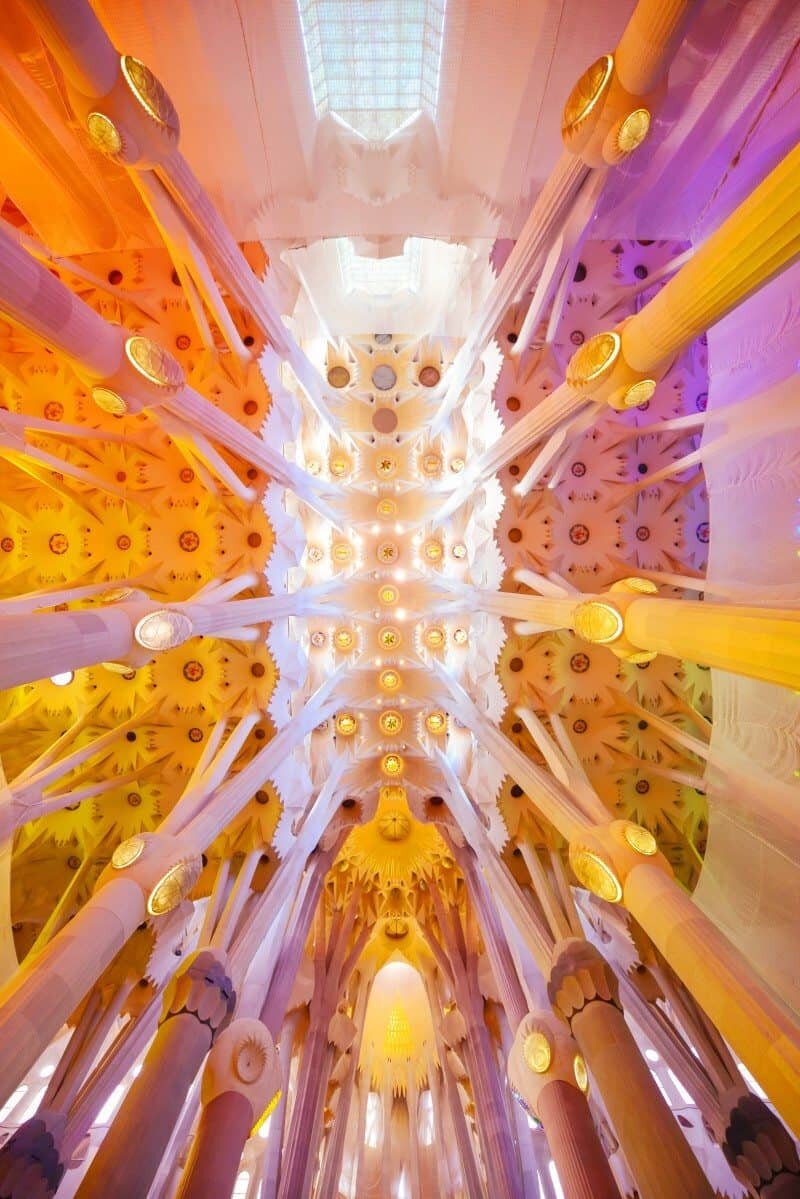
Barcelona: Beyond La Sagrada Familia
Barcelona offers many photographic opportunities beyond Antoni Gaudí’s masterpieces. Park Güell, with its mosaic structures and panoramic city views, requires timed entry tickets. Booking in advance is essential. Morning light is most flattering here.
For a different perspective, visit the Bunkers del Carmel. This former anti-aircraft battery offers unobstructed city views, especially at sunset. The El Born neighborhood, with its narrow streets and quirky shops, is excellent for capturing the city’s character. Don't overlook the hidden courtyards of the Gothic Quarter; they are often quiet and beautiful.
The Hospital de Sant Pau is a modernist complex designed by Lluís Domènech i Montaner, often overlooked by tourists. It offers an impressive example of Catalan Modernism. Light is best in the late afternoon, casting long shadows across the pavilions.
Andalusia's Instagram Gold: Seville, Granada & Córdoba
Andalusia offers a different aesthetic than Catalonia. Seville’s Plaza de España, with its colorful tilework and grand architecture, is a must-shoot location. The Alcázar of Seville, a UNESCO World Heritage site, is another highlight, particularly its lush gardens. The Metropol Parasol provides a striking contrast to the city’s historic buildings. Golden hour is magical here.
Granada's Alhambra is a major draw, but tickets are difficult to secure. Planning months in advance is essential. The Albaicín neighborhood, with its narrow streets and whitewashed houses, offers stunning views of the Alhambra, especially at sunset. It's a great spot for candid street photography.
Córdoba’s Mezquita-Cathedral is a unique architectural masterpiece. The forest of columns and arches is photogenic. The city is famous for its flower-filled patios. The Patio Festival, held in May, is a popular time to visit. Outside the festival, many private patios are open to visitors for a small fee.
Madrid's Hidden Gems & Royal Grandeur
Madrid offers much for photographers. The Royal Palace of Madrid is impressive, inside and out. Retiro Park, with its gardens and the Crystal Palace, is a perfect place to spend an afternoon. Light filtering through the Crystal Palace's glass is beautiful.
For panoramic city views, visit the Temple of Debod at sunset. This ancient Egyptian temple, gifted to Spain, offers a unique photographic opportunity. The Círculo de Bellas Artes rooftop bar offers another vantage point, though it is pricey.
Capture the energy of the city’s plazas, like the Plaza Mayor and the Puerta del Sol. The Lavapiés neighborhood is known for its street art, providing a colorful backdrop. Madrid has a grittier, more authentic feel than some other Spanish cities.
- Essential Madrid Photo Spots: Royal Palace, Retiro Park, Temple of Debod, Lavapiés street art, Plaza Mayor
Island Life: The Balearic & Canary Islands
Beyond the mainland, discover the beauty of the Balearic and Canary Islands. In the Balearics, Ibiza offers more than nightlife. Explore the Dalt Vila old town, a UNESCO World Heritage site, and capture the island’s rugged coastline. Mallorca’s Serra de Tramuntana mountains provide dramatic landscapes, while the villages of Valldemossa and Deià are perfect for wandering.
Menorca is known for its turquoise waters and pristine beaches. Cala Macarella is among the most beautiful beaches in the world. The Canary Islands offer a different vibe. Tenerife’s Mount Teide, Spain’s highest peak, is a dramatic subject for landscape photography. Lanzarote’s Timanfaya National Park, with its volcanic landscapes, is otherworldly.
Gran Canaria’s dunes of Maspalomas offer a desert-like landscape on the coast. The Canary Islands may become more popular as travelers seek alternatives to the crowded Mediterranean. They offer a blend of natural beauty, adventure activities, and cultural experiences. The extra effort to visit is rewarded.
Photographing Spain: Essential Gear & Settings
You don't need expensive gear to capture great photos in Spain. Modern smartphone cameras produce excellent results, especially in good light. A dedicated camera with interchangeable lenses offers more control. A wide-angle lens is essential for landscapes and architecture, while a telephoto lens is useful for capturing details from a distance.
Essential accessories include a tripod for stable shots, especially in low light, and a polarizing filter to reduce glare and enhance colors. For landscapes, use a small aperture (f/8 or f/11) to maximize depth of field. For portraits, a wider aperture (f/2.8 or f/4) creates a shallow depth of field and blurs the background. Be aware of harsh Spanish sunlight, especially midday. Shooting during the golden hour – the hour after sunrise and the hour before sunset – provides the most flattering light.
Remember to respect local customs and be mindful of crowds. Don't block traffic or disturb people while taking photos. Always ask for permission before photographing people, especially in rural areas. And most importantly, take your time and enjoy the beauty of Spain.
Spain Photography Settings Guide - 2026
| Scenario | Aperture | Shutter Speed | ISO | White Balance | Filter Recommendation |
|---|---|---|---|---|---|
| Bright Sunlight - Seville Alcazar Gardens | f/8 - f/11 | 1/250s - 1/500s | 100 | Daylight | Polarizing filter to reduce glare and enhance colors |
| Golden Hour - Sagrada Familia, Barcelona | f/5.6 - f/8 | 1/125s - 1/250s | 200 | Cloudy/Shade | Graduated Neutral Density filter to balance sky and foreground |
| Night Photography - Plaza Mayor, Madrid | f/2.8 - f/4 | 1/30s - 1/60s (using tripod) | 800 - 3200 | Tungsten/Incandescent | None - focus on capturing available light |
| Overcast Day - Cliffs of Moher (Galicia) | f/4 - f/5.6 | 1/60s - 1/125s | 400 | Cloudy | Warming filter to counteract cool tones |
| Interior - Granada Cathedral | f/2.8 - f/4 | 1/30s - 1/60s (using tripod) | 800 - 1600 | Tungsten/Fluorescent | None - prioritize low-light performance |
| Coastal Landscape - San Sebastian | f/11 - f/16 | 1/125s - 1/250s | 100-400 | Daylight | Polarizing filter and Graduated Neutral Density filter |
| Street Photography - Gothic Quarter, Barcelona | f/5.6 - f/8 | 1/125s - 1/250s | 200-400 | Auto | None - prioritize quick adjustments |
Illustrative comparison based on the article research brief. Verify current pricing, limits, and product details in the official docs before relying on it.
Spain Travel Advisories & Safety (2026)
As of November 2023, the U.S. State Department’s travel advisory for Spain is Level 2: Exercise Increased Caution (travel.state.gov). This is largely due to the potential for terrorism and petty crime. It's always a good idea to check the latest advisories before you travel. The situation can change.
Common scams target tourists, so be aware of your surroundings. Pickpocketing is a problem in crowded areas, so keep your valuables secure. Avoid leaving your belongings unattended and be wary of strangers offering unsolicited help. Stay informed about local news and events. Spain is generally a safe country, but it’s always better to be prepared.

No comments yet. Be the first to share your thoughts!