
The reality of Machu Picchu in 2026
Machu Picchu is, without question, one of the world’s most incredible destinations. But its popularity is becoming a serious problem. In late 2023 and early 2024, daily visitor limits were set at 2,400, a number that felt high to many who’ve experienced the site firsthand. Tourism to Peru, overall, is projected to continue growing significantly through 2026, meaning those limits – and the feeling of being packed in – are likely to worsen.
The impact of this overtourism isn’t just about diminished personal experience. It’s placing strain on the fragile ecosystem surrounding the site and impacting the cultural integrity of the region. The Peruvian government has been making adjustments to ticketing and entry times, attempting to manage the flow, but these measures are often met with frustration from travelers and don’t fundamentally address the issue of sheer volume.
I'm not saying you should skip it—the site is incredible. But if you go, expect crowds. The new timed entry system is the government's attempt to keep the ruins from falling apart under the weight of thousands of boots. It's messy, but necessary.
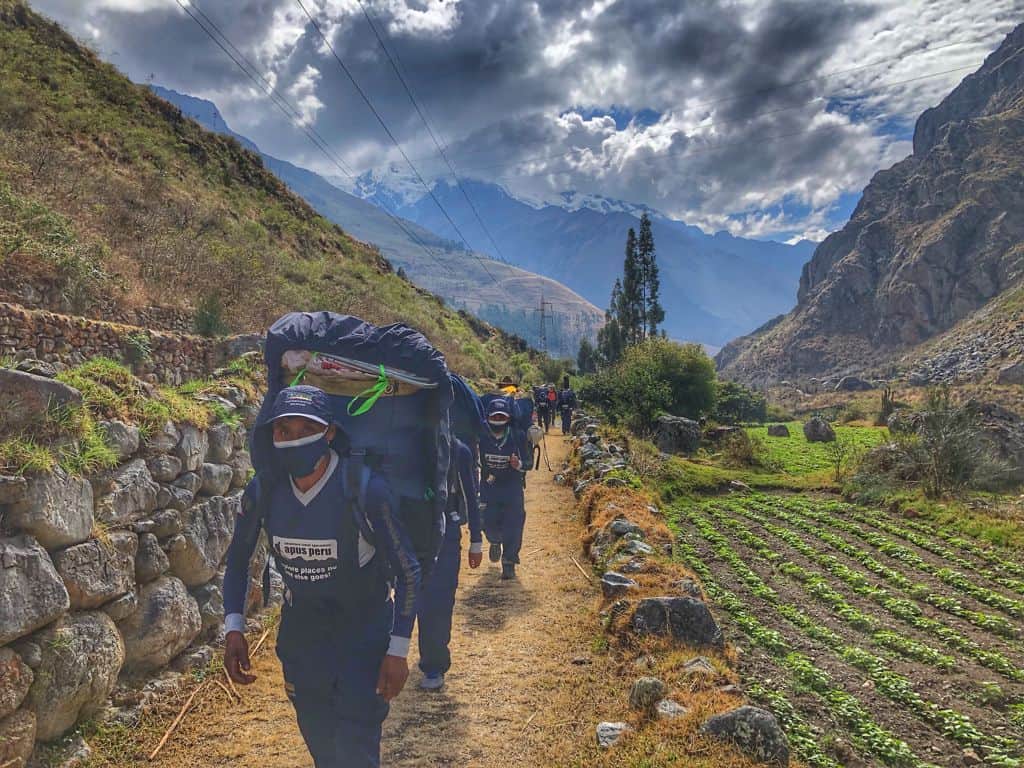
Better spots in the Sacred Valley
Fortunately, the area around Machu Picchu – the Sacred Valley – is brimming with equally fascinating sites that receive a fraction of the crowds. Ollantaytambo, for example, is often used as a base for visiting Machu Picchu, but it’s a destination in its own right. This impressive Inca fortress, with its massive stone terraces, is far less congested and offers a deeper dive into Inca military and agricultural ingenuity.
Pisac is another excellent choice. It's known for its colorful market – a fantastic place to experience local life and purchase handicrafts – and its stunning Inca ruins overlooking the valley. Unlike the more regimented experience at Machu Picchu, Pisac feels more organic and allows for a more leisurely exploration. It’s a place where you can truly connect with the local culture.
For something truly unique, head to Moray and the Salt Mines of Maras. Moray’s circular agricultural terraces are a marvel of Inca engineering, and the salt mines, still in operation today, are a visually striking landscape. These sites offer a different perspective on Inca innovation, focusing on agriculture and resource management. Access to these sites is relatively easy from Cusco, with numerous tour operators offering day trips.
These aren't just backup plans. Ollantaytambo feels like a fortress, Pisac has a better local market than anything in Cusco, and Moray looks like an alien landing site. They are easy to reach and usually more relaxing than fighting for a photo spot at the main ruins.
- Ollantaytambo: A massive stone fortress where people still live in the original Inca buildings.
- Pisac: Vibrant market and ruins, local experience.
- Moray & Maras: Unique agricultural terraces and salt mines.
Beyond the Valley: Northern Peru's Treasures
Peru is so much more than just the Sacred Valley. Head north, and you’ll discover a wealth of archaeological sites and natural wonders that are largely untouched by mass tourism. Kuelap Fortress, often called the "Machu Picchu of the North,’ is a pre-Inca fortress built by the Chachapoyas culture. It"s even more impressive in scale than Machu Picchu, but requires significantly more effort to reach – a multi-day journey involving flights to Jaén and then a challenging hike or cable car ride.
The Gocta Waterfall, one of the world’s highest waterfalls, is another Northern Peru highlight. Reaching the falls involves a trek through lush cloud forest, offering stunning scenery and a real sense of adventure. It’s a full-day excursion, but the reward is well worth the effort.
The Leymebamba Museum is also worth a visit. It houses a collection of mummies discovered at the Laguna de los Cóndores, providing a fascinating insight into the burial practices of the Chachapoyas. Northern Peru requires more planning and a willingness to embrace a more adventurous travel style, but it offers a truly authentic and off-the-beaten-path experience.
Logistically, getting to Northern Peru requires a bit more effort. Flights to cities like Jaén or Chachapoyas are necessary, and local transportation can be limited. Hiring a guide is highly recommended, especially for treks to Gocta Waterfall or Kuelap Fortress.
The southern route
Southern Peru offers a dramatically different landscape and cultural experience. Colca Canyon, one of the deepest canyons in the world, is a prime destination for condor spotting. The views are breathtaking, and the opportunity to witness these majestic birds soaring overhead is unforgettable. It’s a long drive from Cusco or Arequipa, but well worth the journey.
Lake Titicaca, the highest navigable lake in the world, is another Southern Peru highlight. Visiting the Uros floating islands – constructed entirely from reeds – and Taquile Island, known for its traditional weaving, offers a unique cultural experience. Be prepared for the altitude; Lake Titicaca sits at over 3,800 meters (12,500 feet).
The Nazca Lines, mysterious geoglyphs etched into the desert floor, are best viewed from a small plane. The sheer scale and precision of these lines are astounding, and their purpose remains a subject of debate. The best time to visit is during the dry season (May to October) for clear visibility.
Altitude is a consideration for both Colca Canyon and Lake Titicaca. Acclimatizing gradually is essential to avoid altitude sickness. The dry season (May to October) offers the best weather for visiting the Nazca Lines and the desert landscapes.
Planning Your Trip: Resources & Logistics
Getting around Peru is fairly straightforward, though distances can be vast. Domestic flights are the quickest way to travel between major cities, with LATAM, Avianca, and Sky Airline Peru being popular choices. Buses are a more affordable option, but journeys can be long and winding. Trains are available in the Sacred Valley and to Machu Picchu, offering a comfortable and scenic experience.
Accommodation options range from budget hostels to luxury hotels. Cusco and Lima offer the widest selection, while smaller towns may have more limited choices. Booking in advance is recommended, especially during peak season.
Safety is generally not a major concern in Peru, but it’s always wise to be aware of your surroundings and take precautions against petty theft. Avoid walking alone at night in poorly lit areas, and keep your valuables secure. Travel insurance is highly recommended, covering medical expenses, trip cancellations, and lost luggage.
The best time to visit Peru depends on your destination. The dry season (May to October) is generally the most pleasant for trekking and exploring the highlands, while the shoulder seasons (April/November) offer a good balance of weather and crowds. Consult with a travel clinic regarding recommended vaccinations before your trip.
US Visa Options for Indian & Australian Citizens - Qualitative Comparison (2026)
| Visa Type | Purpose of Travel | Application Process | Processing Time | Document Complexity |
|---|---|---|---|---|
| ESTA (Electronic System for Travel Authorization) | Tourism, Business, Transit | Online Application - Relatively Straightforward | Generally Fast - Often Approved within Hours | Minimal - Passport & Basic Info |
| B-1/B-2 (Visitor Visa) | Tourism, Business, Medical Treatment | Online Application & Interview at US Embassy/Consulate | Variable - Can take Weeks to Months | Significant - Detailed Application, Financial Proof, Travel Itinerary |
| ESTA (Indian Citizens) | Tourism, Business, Transit | Online Application - Requires careful adherence to eligibility rules | Generally Fast - Approval not guaranteed | Moderate - Eligibility criteria can be restrictive |
| B-1/B-2 (Indian Citizens) | Tourism, Business, Medical Treatment | Online Application & Mandatory Interview | Potentially Lengthy - Interview scheduling can be a bottleneck | High - Extensive Documentation & Scrutiny |
| ESTA (Australian Citizens) | Tourism, Business, Transit | Online Application - Typically a smooth process | Generally Fast - High approval rate | Minimal - Passport & Basic Info |
| B-1/B-2 (Australian Citizens) | Tourism, Business, Medical Treatment | Online Application & Potential Interview | Moderate - Interview less common than for Indian applicants | Moderate - Still requires detailed documentation |
Qualitative comparison based on the article research brief. Confirm current product details in the official docs before making implementation choices.


No comments yet. Be the first to share your thoughts!