
Spain in 2026: A Traveler’s Snapshot
Spain is anticipating a strong tourism season in 2026, building on the recovery seen since 2022. The country has successfully navigated the post-pandemic landscape and is now seeing a shift in the type of traveler it attracts. While sun-seekers still flock to the coasts, there's a noticeable increase in digital nomads and travelers seeking more authentic, off-the-beaten-path experiences. This isn't just a feeling, either; smaller towns are actively investing in infrastructure to cater to this new demographic.
As of late 2024, the US State Department currently gives Spain a Level 2 Travel Advisory – Exercise Increased Caution – primarily due to potential terrorist activity. This is a standard advisory for many European countries, and doesn’t significantly deter tourism, but it's something to be aware of. Recent events haven't dramatically impacted tourism safety, although increased security measures are visible in major cities and tourist areas. The overall sense is that Spain remains a safe and welcoming destination for visitors.
One major difference travelers will notice is a more dispersed tourism model. The concentration of visitors in Madrid, Barcelona, and the Balearic Islands is easing, with regions like Galicia and Extremadura gaining traction. This is, in part, due to the success of the Digital Nomad Visa and a growing awareness of Spain’s diverse offerings beyond the usual hotspots. I've observed a clear trend towards slower, more immersive travel experiences, with visitors staying longer and exploring more deeply.
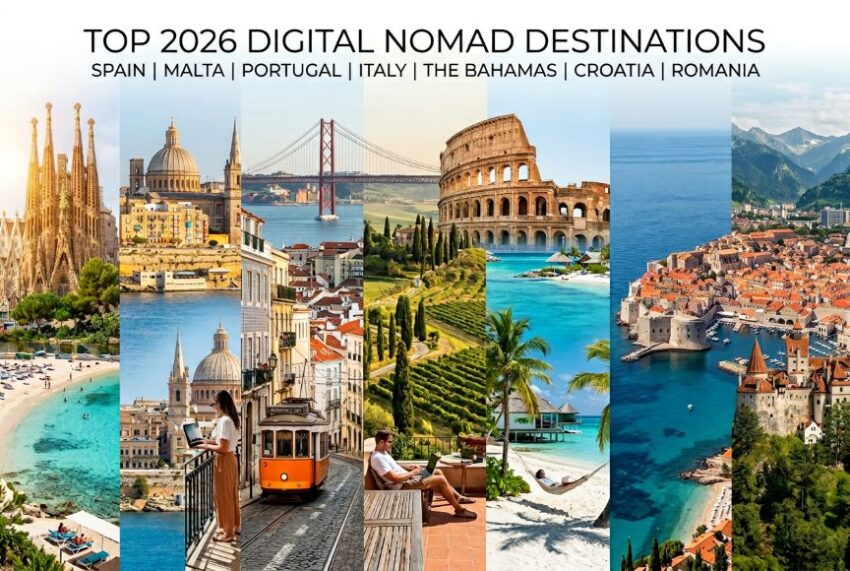
The Digital Nomad Effect: Beyond the Cities
The Spain Digital Nomad Visa, launched in 2023, has undeniably reshaped the country’s tourism landscape. It’s not merely about an increase in remote workers, but about a geographic redistribution of tourism spending and attention. Co-living and co-working spaces are sprouting up in cities that previously lacked the infrastructure to attract this type of traveler. Valencia, for example, has seen a surge in these spaces, specifically targeting the digital nomad community.
Towns like Altea in the Alicante province and Las Palmas de Gran Canaria are actively courting digital nomads with initiatives like tax breaks, high-speed internet access, and networking events. Altea, in particular, has invested heavily in improving its digital infrastructure and promoting itself as a "digital nomad haven." The results are visible: rental prices have increased, and a new wave of cafes and businesses catering to this demographic have opened. This is a pattern seen across several smaller cities.
However, this influx isn't without its challenges. Rising rental costs are a concern in some areas, potentially displacing local residents. There's a debate about whether the benefits of increased tourism outweigh the potential negative impacts on local communities. Some argue that the visa program needs to be carefully managed to ensure sustainable growth and prevent gentrification. It’s a situation many of these towns are grappling with as they adjust to this new reality.
The visa itself requires applicants to demonstrate a minimum monthly income of €2,100 and have a clean criminal record. As of November 2024, over 30,000 applications have been approved, with the majority coming from citizens of the United States, the United Kingdom, and Canada. The long-term impact of this program is still unfolding, but it’s clear that it’s having a significant effect on Spain’s tourism economy.
- Altea (Alicante): Investing in digital infrastructure and promoting itself as a 'digital nomad haven'.
- Las Palmas de Gran Canaria: Offering tax breaks and networking events for remote workers.
- Valencia: Experiencing a surge in co-living and co-working spaces.
Nomad Hotspots in Spain
- Las Palmas de Gran Canaria - This city in the Canary Islands offers a warm climate year-round and a thriving digital nomad scene. It boasts numerous co-working spaces like WorkFlow and Selina, reliable high-speed internet, and a relatively low cost of living compared to mainland Spain. The city actively promotes itself as a remote work destination, hosting regular meetups and networking events.
- Valencia - Increasingly popular, Valencia provides a blend of modern infrastructure and historical charm. Co-working spaces such as Aticco and Impact Hub Valencia are well-established. Internet connectivity is strong, and the cost of living is more affordable than Madrid or Barcelona. The city is focusing on attracting tech professionals and remote workers with initiatives supporting innovation.
- Málaga - Situated on the Costa del Sol, Málaga combines beach life with a growing tech sector. Several co-working options are available, including La Noria and The Roof. Internet speeds are generally good, and the city benefits from a mild climate and a vibrant cultural scene. Málaga is actively investing in smart city initiatives to attract remote workers.
- Alicante - Another Costa Blanca gem, Alicante offers a relaxed lifestyle and a lower cost of living. Co-working spaces like Workósfera are gaining traction. Internet access is reliable, and the city's proximity to the beach and mountains is a major draw. Alicante is promoting itself as a sustainable and affordable remote work destination.
- Tenerife - The largest of the Canary Islands, Tenerife, offers diverse landscapes, from volcanic peaks to sandy beaches. Several co-working spaces, such as SatWork, cater to the growing digital nomad community. Internet infrastructure is continually improving, and the cost of living is reasonable. Tenerife actively markets itself as a year-round remote work destination.
- Seville - Seville, in Andalusia, provides a rich cultural experience alongside increasing infrastructure for remote workers. Spaces like Loom Coworking are becoming popular. While internet speeds might be slightly lower than in larger cities, they are generally sufficient for remote work. The city’s affordability and unique atmosphere are key attractions.
- Girona - Located in Catalonia, Girona offers a blend of history, gastronomy, and a growing digital nomad community. Several co-working spaces, including Betahaus, provide modern facilities. Internet connectivity is reliable, and the city’s proximity to Barcelona and the Costa Brava adds to its appeal. Girona is actively promoting itself as a hub for innovation and remote work.
Madrid & Barcelona: Still the Main Attractions?
Madrid and Barcelona remain the cornerstones of Spanish tourism, and their appeal isn’t diminishing anytime soon. However, both cities are actively adapting to accommodate the increased influx of tourists and digital nomads. Madrid, for instance, has been investing in pedestrianizing key areas of the city center and improving its public transportation network. The expansion of the metro system and the implementation of bike-sharing programs are making it easier to navigate the city without a car.
Barcelona is focusing on managing overcrowding in popular areas like Las Ramblas and the Gothic Quarter. New regulations have been introduced to limit the number of cruise ships docking in the port and to restrict the opening of new tourist accommodations in the city center. There’s also a growing emphasis on promoting lesser-known neighborhoods and attractions to disperse visitors more evenly. The city is attempting a delicate balance between attracting tourism and preserving its quality of life for residents.
New hotel developments are largely focused on the luxury segment, catering to a more discerning traveler. Both cities are also seeing a rise in boutique hotels and Airbnb-style accommodations. These cities aren’t simply resting on their laurels; they’re actively evolving to meet the changing demands of the modern traveler. It’s a constant process of adaptation and innovation.
Emerging Destinations: The Next Spanish Hotspots
While Madrid and Barcelona remain popular, several destinations are rapidly gaining traction as the next Spanish hotspots. Valencia is perhaps the most obvious example. It boasts a beautiful beach, a vibrant cultural scene, and a more affordable cost of living than the major cities. The City of Arts and Sciences is a major draw, and the city’s culinary scene is exceptional.
San Sebastian, in the Basque Country, is another rising star. Known for its stunning beaches, world-class cuisine (particularly pintxos), and elegant architecture, it attracts a more sophisticated traveler. It’s a smaller city than Madrid or Barcelona, but it packs a punch in terms of culture and gastronomy. Getting there is relatively easy, with an international airport and good train connections.
Málaga, on the Costa del Sol, is also experiencing a surge in popularity. The birthplace of Picasso, it offers a rich cultural heritage, beautiful beaches, and a lively nightlife. It's becoming increasingly accessible with more direct flights from major European cities. It’s a great option for travelers looking for a mix of culture, relaxation, and entertainment.
Finally, Santiago de Compostela, the endpoint of the Camino de Santiago pilgrimage route, is attracting a growing number of visitors. Beyond its religious significance, it’s a beautiful city with a rich history and a thriving student population. It’s a perfect destination for those seeking a more spiritual and authentic experience.
- Amazon.com: Spain Travel Guide 2026: Offers detailed itineraries and local secrets for various Spanish destinations.
- Lonely Planet Spain: A comprehensive guide covering all regions of Spain, with practical information and maps.
- Rick Steves Spain: Focuses on cultural experiences and budget-friendly travel options.
Essential Spain Travel Guides for 2026

Detailed itineraries for various regions · Tips for traveling like a local · Insider advice and comprehensive coverage
This guide offers detailed itineraries, local insights, and comprehensive coverage of popular regions, making it ideal for navigating Spain's evolving tourism landscape.

Expert-led itineraries · Practical advice for independent travelers · Cultural insights and historical context
Rick Steves' guide provides expert-led itineraries and practical advice, perfect for travelers seeking an in-depth understanding of Spanish culture and history.

Full-color photography · Essential information for planning · Curated recommendations for sights and activities
Fodor's Essential Spain offers full-color photography and curated recommendations, providing a visually engaging and informative resource for planning your trip.
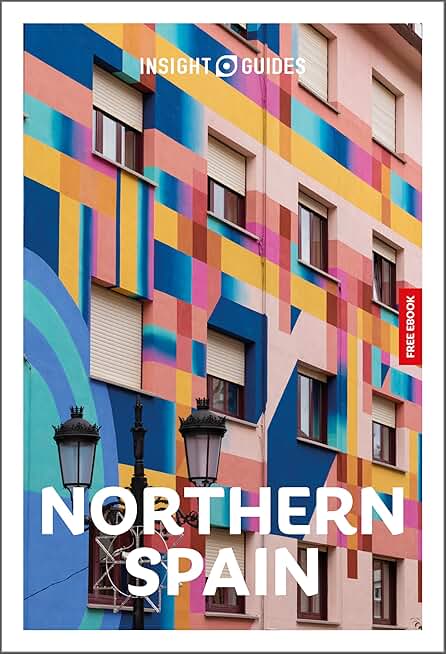
Detailed coverage of Northern Spain · Includes an eBook · Focus on sights, culture, and history
Insight Guides Northern Spain provides in-depth coverage of the region, including an eBook, to help you explore its unique sights, culture, and history.

Focus on must-see sights · Information on culture and history · Detailed maps and tours
DK Spain highlights must-see sights, delves into culture and history, and provides detailed maps and tours for a well-rounded exploration of key Spanish cities.
As an Amazon Associate I earn from qualifying purchases. Prices may vary.
Beyond the Beaches: Inland Adventures
Spain’s appeal extends far beyond its coastline. The country’s interior offers a wealth of opportunities for adventure and exploration. The Pyrenees Mountains, for example, are a hiker’s paradise, with trails ranging from easy strolls to challenging multi-day treks. The Picos de Europa National Park in northern Spain is another stunning destination for outdoor enthusiasts.
For history buffs, the cities of Castile and León – including Salamanca, Segovia, and Ávila – are a must-visit. These cities boast a rich architectural heritage, with well-preserved medieval castles, cathedrals, and Roman ruins. They offer a glimpse into Spain’s fascinating past. Traveling between these cities is relatively easy by train or bus.
Spain’s wine regions, such as La Rioja and Ribera del Duero, offer a different kind of adventure. Visitors can tour vineyards, sample local wines, and learn about the winemaking process. These regions are becoming increasingly popular with wine tourists, and many wineries offer guided tours and tastings. While a car is helpful for exploring these areas, it’s not always essential, as many wineries are accessible by public transport.
Food & Drink Trends: What's New on the Menu?
Spanish cuisine continues to evolve, with a growing emphasis on fresh, local ingredients and innovative cooking techniques. The tapas scene remains a major draw, but chefs are increasingly experimenting with new flavors and presentations. There's a noticeable trend towards smaller, more intimate restaurants that focus on quality over quantity.
Sustainable tourism is also influencing the food scene. Many restaurants are now sourcing their ingredients from local farms and producers, reducing their carbon footprint and supporting the local economy. There’s a growing awareness of food waste, and many restaurants are implementing strategies to minimize it. This is particularly evident in cities like San Sebastian and Barcelona.
Regional specialties are gaining popularity, with travelers seeking out authentic culinary experiences. Dishes like fabada asturiana (a hearty bean stew from Asturias) and pulpo a la gallega (Galician-style octopus) are becoming increasingly well-known. The rise of food tourism is helping to preserve and promote these regional culinary traditions. I’ve seen a surge in cooking classes focused on regional Spanish cuisine.
Visa Updates & Practicalities for 2026
For travelers from India and Australia, the requirements for short-term tourist visas to Spain remain largely unchanged. As of late 2024, citizens of both countries can enter the Schengen Area (which includes Spain) for up to 90 days within a 180-day period without a visa, for tourism or business purposes. However, it’s crucial to have a valid passport, proof of sufficient funds, and travel insurance. Always check the latest requirements on the official website of the Spanish Embassy or Consulate in your country.
The Digital Nomad Visa continues to be an option for those planning to stay longer than 90 days and work remotely in Spain. The requirements include demonstrating a minimum monthly income of €2,100, having a clean criminal record, and purchasing health insurance. The application process can be complex, so it’s advisable to seek professional advice. Information on the Digital Nomad Visa can be found on the Spanish Immigration website:
The currency in Spain is the Euro (€). Exchange rates fluctuate, so it’s best to check the current rate before your trip. Credit cards are widely accepted, but it’s always a good idea to have some cash on hand for smaller purchases. Public transportation is efficient and affordable in most cities, but taxis and ride-sharing services are also readily available. Learning a few basic Spanish phrases will enhance your experience and be appreciated by locals.



No comments yet. Be the first to share your thoughts!